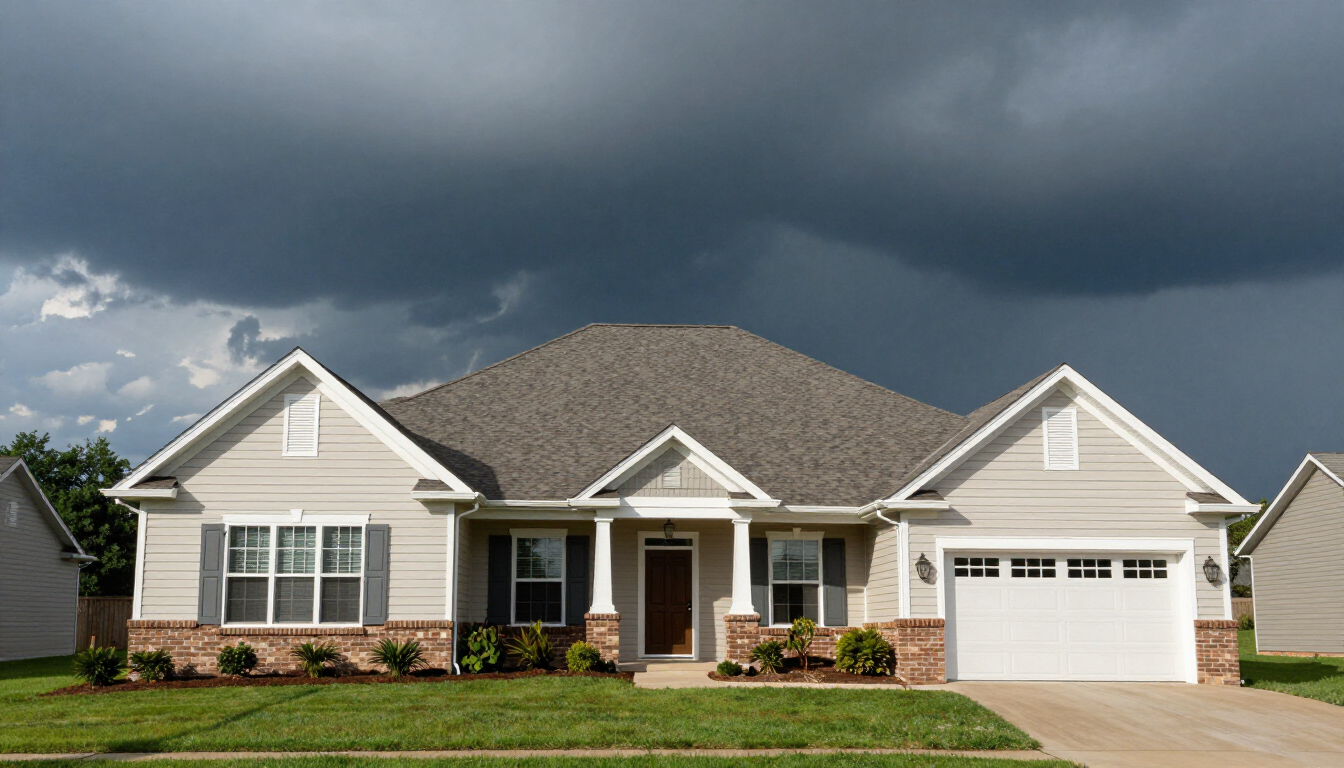

Home insurance myths can leave Oklahoma homeowners paying out of pocket when they expect protection. A standard policy may not fully replace every home, cover flood or foundation damage, or provide enough liability for a serious lawsuit. The smart move is to review limits, exclusions, deductibles, and endorsements before storm clouds—or attorneys—arrive.
Why Oklahoma homeowners should question insurance assumptions
Oklahoma weather does not believe in being subtle. Tornadoes, hail, straight-line winds, wildfires, and sudden water damage can turn a peaceful Tuesday into a paperwork marathon.
The policy in your filing cabinet—or buried in your email—does not protect against every loss automatically. Coverage depends on:
- The cause of damage
- Your policy limits
- Deductibles and special deductibles
- Exclusions and endorsements
- Whether your coverage reflects today’s rebuilding and legal costs
Use this guide as a policy-review checklist, not as a substitute for your actual contract. For personalized help, compare your current coverage with a home insurance quote or schedule a policy review .
Myth 1: Does home insurance always pay the full replacement cost?
No. “Replacement cost” does not mean an unlimited blank check for every expense after a covered loss.
Your dwelling limit should represent the estimated cost to rebuild the structure—not its market value, tax assessment, or purchase price. Those numbers can be dramatically different. Rebuilding may also cost more after a regional disaster because labor, materials, and contractors become scarce.
Important details include:
- Dwelling limit: The maximum generally available to rebuild the main structure.
- Other structures: Separate protection for detached garages, fences, sheds, and similar property.
- Personal property: Coverage for furniture, clothing, electronics, and belongings, subject to limits and valuation rules.
- Ordinance or law coverage: Extra protection when updated building codes increase repair costs.
- Extended replacement cost: An endorsement that may add a percentage above the dwelling limit, subject to terms.
A common Oklahoma home insurance mistake is setting coverage based on the home’s selling price. That price includes land and market conditions; neither tells you exactly what reconstruction will cost.
Ask your agent when the replacement-cost estimate was last updated, whether inflation protection applies, and whether high-value belongings need scheduled coverage. “It’s insured” is not the same as “it’s insured enough.”
Myth 2: Does standard home insurance cover flood and foundation damage?
Usually not in the way homeowners expect. Standard policies commonly exclude flood damage, and earth movement exclusions can affect certain foundation-related losses. Water entering from an overflowing creek, heavy rain, or rising surface water may require separate flood insurance.
Flood insurance can be relevant even when you are outside a high-risk zone. Flooding is not limited to dramatic river scenes; overwhelmed drainage, flash flooding, and runoff can affect ordinary neighborhoods.
Foundation coverage is more complicated. A policy may cover sudden damage caused by a covered event, but it may exclude settling, shifting, earth movement, wear, faulty construction, or long-term maintenance problems. The exact cause matters.
Consider a dedicated flood insurance quote , then ask:
- Is surface-water flooding excluded from my homeowners policy?
- Does my policy cover sewer or drain backup, or is an endorsement needed?
- What foundation losses are excluded?
- Are detached structures and personal belongings covered under separate limits?
- How long is the waiting period before flood coverage begins?
Do not wait for a forecast to investigate. Insurance is famously less enthusiastic about covering a problem once it is already visible on the evening news.
Myth 3: Is wind or hail damage covered without a major deductible?
Not necessarily. Wind and hail may be covered perils, but your policy can apply a separate wind or hail deductible. In some policies, the deductible is a percentage of the home’s insured value rather than a flat dollar amount.
For example, a 2% deductible on a $400,000 dwelling limit could mean $8,000 out of pocket before covered repairs begin. That is a very different number from the $1,000 deductible many homeowners have in mind.
Review these items before storm season:
- Find the wind and hail deductible on the declarations page.
- Confirm whether it is flat or percentage-based.
- Check whether roof age or condition changes settlement.
- Ask whether cosmetic roof damage is treated differently from functional damage.
- Photograph your roof, exterior, and major belongings before a loss.
Never assume a contractor’s promise means the insurer will pay the claim. Get an inspection, document the damage, protect the property from further harm, and report the loss promptly according to your policy instructions.
Myth 4: Does my credit score determine my home insurance price?
Not exactly—but credit-based insurance information may influence pricing in some states and underwriting systems. It is not the same as a lender checking whether you qualify for a mortgage, and it is only one factor among many.
Insurers may also consider location, claims history, construction type, roof age, protective devices, deductible, coverage limits, and the insurer’s rules. Oklahoma homeowners should ask how their carrier uses insurance scoring and whether a change in circumstances can affect renewal pricing.
A stronger credit profile may help in some situations, but improving credit will not fix underinsurance. Do not reduce liability limits or remove useful endorsements just to chase a lower premium. The cheapest policy can become the most expensive one after a claim.
If your premium changed, ask for a clear explanation and compare coverage—not just the final number. You can begin with a home insurance quote and review the differences line by line.
Myth 5: Are standard liability limits enough for a serious lawsuit?
Often, no. Standard homeowners liability limits may help with covered claims involving bodily injury or property damage, but a serious injury lawsuit can quickly exceed them. Medical expenses, lost wages, settlements, legal defense, and rising personal-injury litigation costs can create exposure well beyond a basic limit.
Liability coverage generally protects more than the house. It may respond when you are legally responsible for an injury on your property or for certain damage caused by you or a household member. But exclusions, definitions, conditions, and limits still apply.
Review:
- Personal liability limits
- Medical payments coverage
- Defense-cost treatment under the policy
- Exclusions for business activity, vehicles, pools, trampolines, and certain incidents
- Whether an umbrella policy is appropriate
An umbrella insurance quote can help you explore additional liability protection above underlying home and auto limits. It is not a replacement for proper base coverage; it is an extra layer. Think raincoat, not force field—but a raincoat is preferable to arguing with a thunderstorm in a T-shirt.
A practical Oklahoma home insurance review
Set aside 20 minutes and gather your declarations page, recent renovation records, home inventory, roof information, and questions. Then check:
- Is the dwelling limit based on current rebuilding costs?
- Are flood, water backup, foundation, and earthquake risks addressed separately?
- What are the flat-dollar and percentage deductibles?
- Are jewelry, firearms, collectibles, computers, or business property subject to special limits?
- Would your liability limit protect your current assets and income?
Update the policy after renovations, additions, major purchases, a new roof, a new pet, home-based work, or changes in household members. Tell your agent about risk features such as alarms, storm shelters, generators, pools, and trampolines; accurate information helps avoid unpleasant surprises.
Frequently asked questions about Oklahoma home insurance myths
Does homeowners insurance cover tornado damage in Oklahoma?
Usually, standard homeowners insurance covers wind damage from a tornado, subject to policy terms, exclusions, limits, and the applicable wind or hail deductible. Confirm the deductible and document your property before storm season.
Is flood insurance required for every Oklahoma homeowner?
No. Requirements often depend on location and mortgage rules, but flood risk exists outside mapped high-risk areas. Standard homeowners insurance commonly excludes flood, so ask whether separate flood coverage is appropriate for your property.
Does homeowners insurance cover a cracked foundation?
It depends on the cause. Policies may cover sudden damage from a covered event, but commonly exclude settling, earth movement, wear, faulty construction, and maintenance-related problems. Read the foundation and earth-movement provisions carefully.
How much liability insurance should a homeowner carry?
There is no universal number. Consider your assets, income, property risks, household activities, and potential lawsuit costs. Ask an insurance professional whether higher limits or an umbrella policy fit your situation.
Can my credit score raise my Oklahoma home insurance premium?
It can influence pricing in some cases through insurance-based scoring, but it is not the only factor. Claims history, location, roof age, coverage limits, deductibles, and underwriting rules may also affect the premium.
The bottom line
The biggest Oklahoma home insurance myths involve certainty: assuming replacement cost covers everything, flood is included, one deductible applies to every loss, credit alone determines price, or basic liability limits can absorb any lawsuit. Your actual protection depends on policy language, limits, exclusions, endorsements, and current risk. Review those details before renewing, especially after a remodel, major purchase, roof change, storm, or household change. Compare coverage—not just premiums—and ask an agent to explain every gap you do not understand. A short review today can be considerably less expensive than a surprise after a claim.