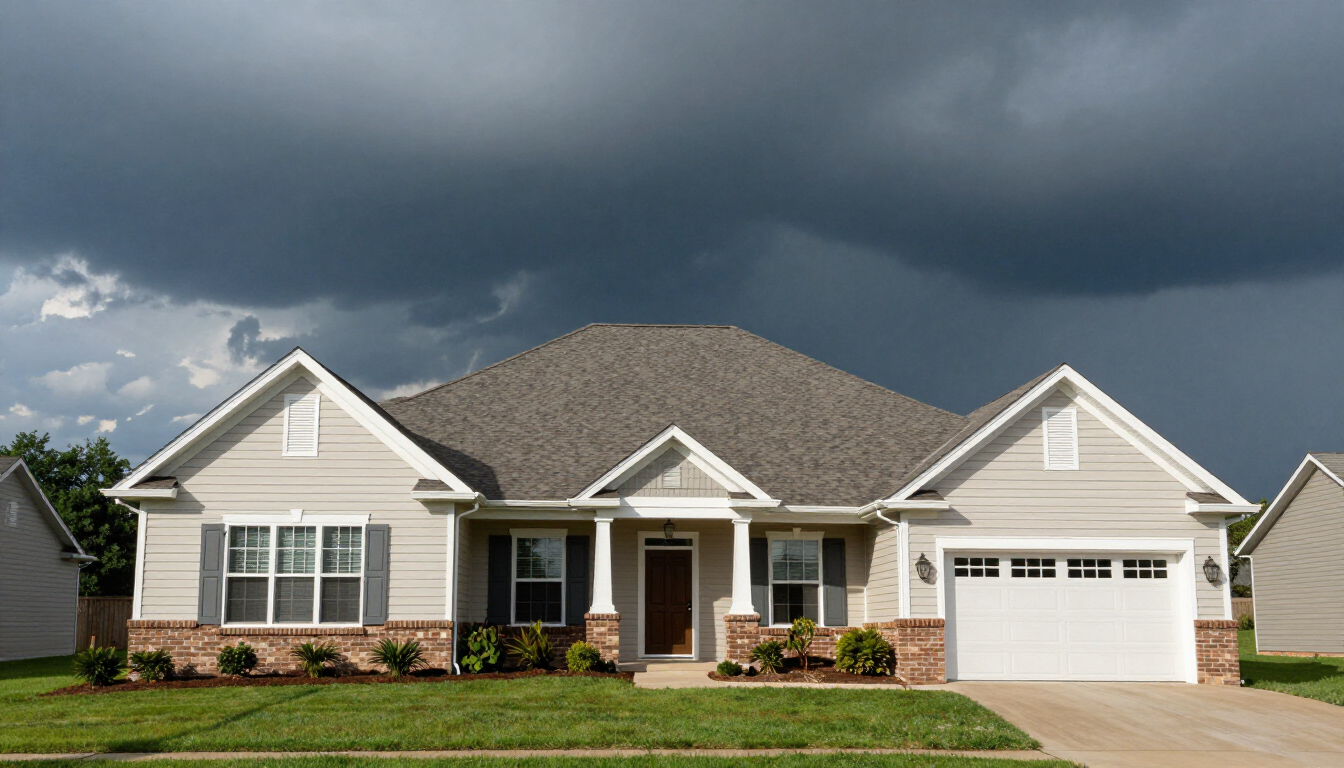

Short-term rental insurance in Oklahoma is a specialized policy designed for properties listed on platforms like Airbnb or VRBO. It replaces or supplements homeowners insurance by covering business-related liability, guest-caused damage, and loss of rental income—risks usually excluded by standard residential or landlord policies.
Why doesn't my home insurance cover my Airbnb?
You might think your home insurance has your back when you start renting out your spare room or that cute bungalow in Edmond, but here’s the kicker: most standard policies view short-term renting as a “business activity.” The moment you trade a key for cash, you’ve crossed the line from a private residence to a commercial enterprise in the eyes of your insurer.
Traditional homeowners policies are written for owner-occupied dwellings. They assume you are there most of the time to catch a leaking pipe or notice a weird smell in the attic. When you bring in a rotating door of guests, the risk profile changes. Guests don’t always know how to properly close a window during a sudden Oklahoma downpour, and they certainly don’t treat your plumbing with the same reverence you do.
If a guest sustains an injury or causes significant damage, and you only have a standard residential policy, your claim could be denied faster than a tornado moves through Moore. This “business use exclusion” is the primary reason why specialized coverage isn't just a good idea—it’s a necessity for anyone serious about hosting.
The Oklahoma Wind and Hail Reality
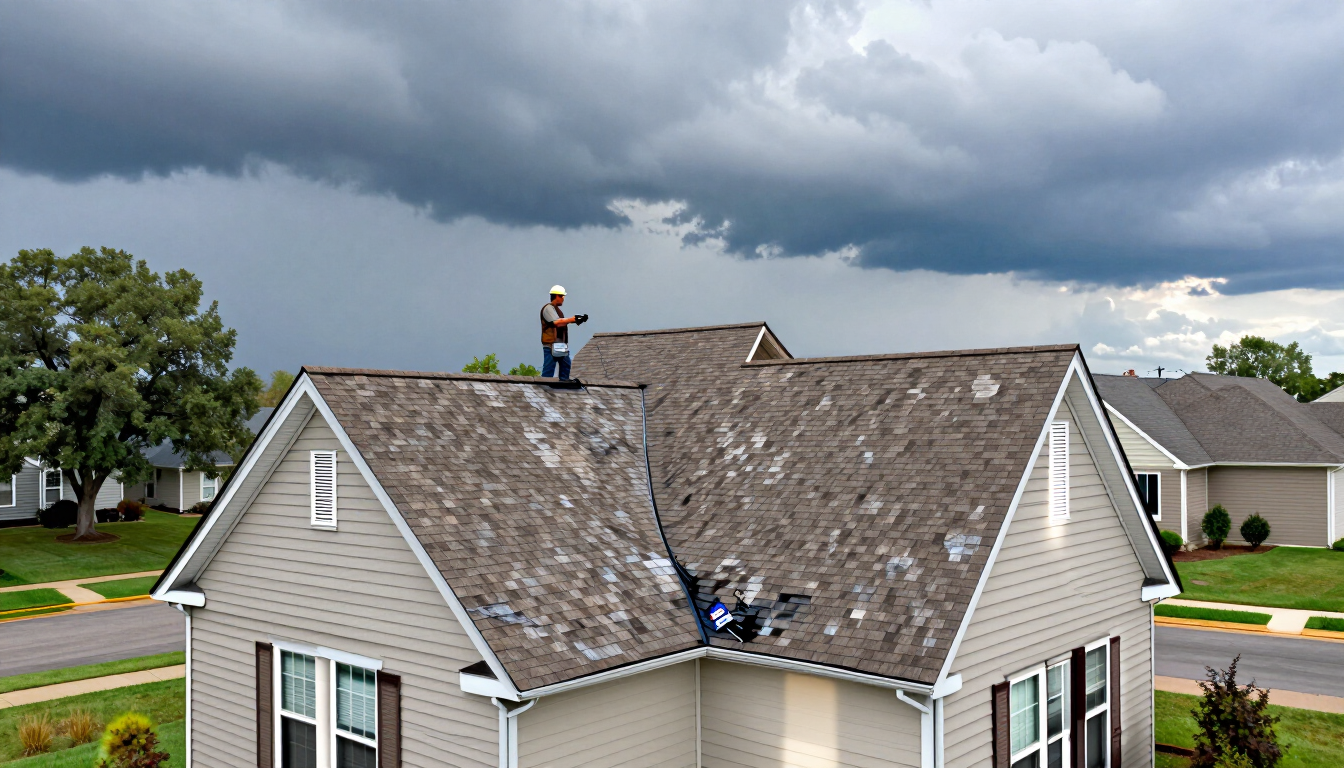
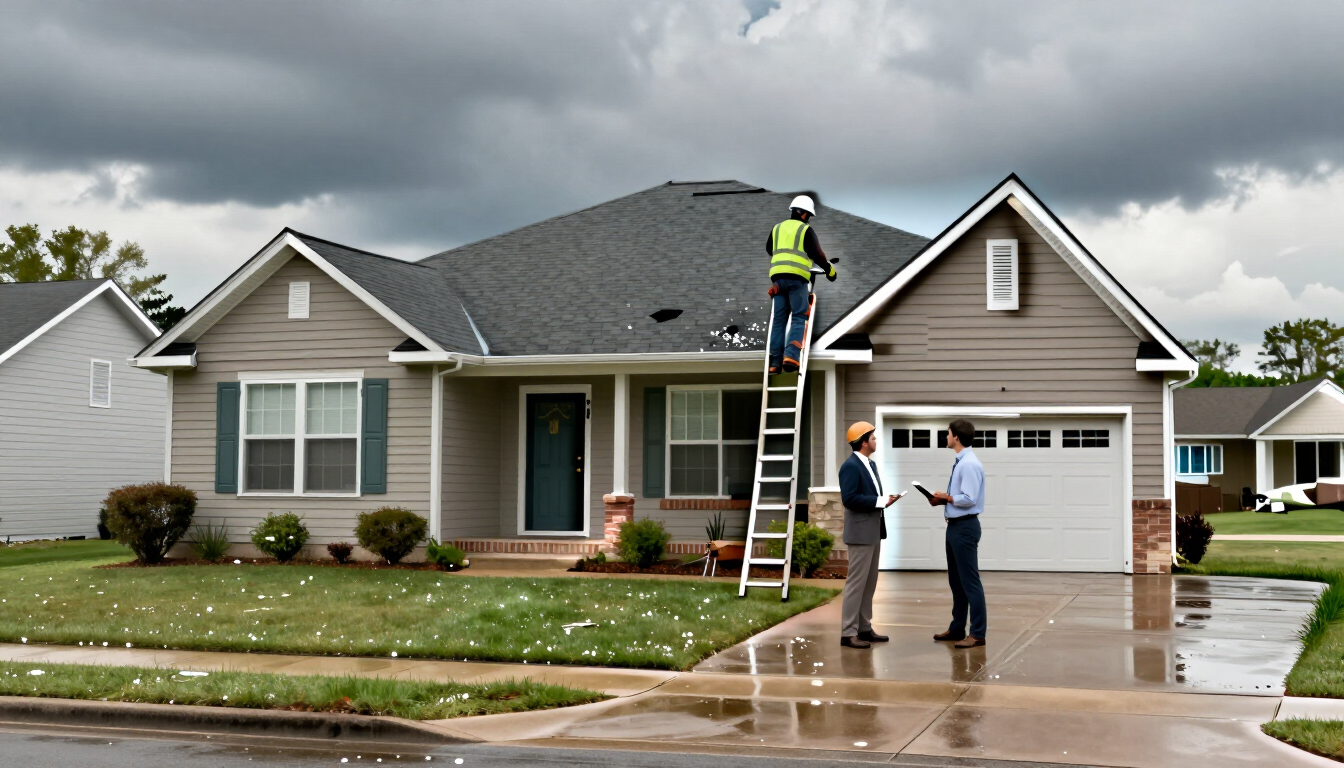
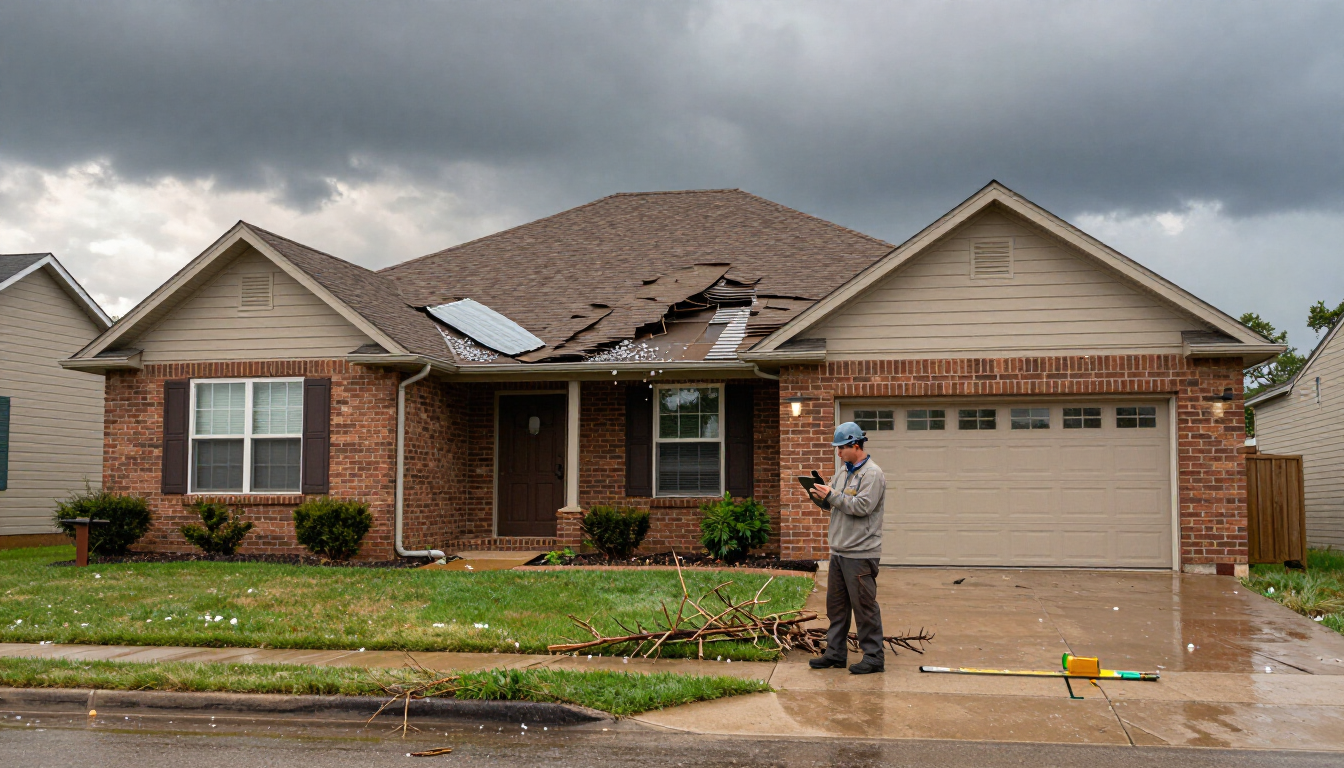
Being a property owner in Oklahoma means playing a high-stakes game with Mother Nature. Our state is famous for wind that “comes sweeping down the plain,” but for an Airbnb host, that wind often brings 2-inch hail and flying debris. Standard policies are already tricky with wind and hail deductibles in this region, but adding a short-term rental component makes things even more complex.
When a storm hits, your property might become uninhabitable. For a regular homeowner, this is a tragedy; for a short-term rental owner, it’s a loss of revenue. A specialized short-term rental policy often includes “Loss of Use” or “Loss of Rental Income” coverage that specifically applies to the business income you would have generated during the repair period.
Furthermore, liability risks skyrocket during Oklahoma’s severe weather season. Imagine a guest slips on a wet porch during a thunderstorm or is injured because they didn't know how to access the storm shelter. Without proper liability coverage that acknowledges the rental nature of the property, you could be personally responsible for medical bills and legal fees.
What specific risks does STR insurance cover?
Short-term rental (STR) insurance fills the gaps left by standard policies. It is designed to be comprehensive, merging the best parts of residential and commercial coverage. Here are the core protections you should look for:
- Commercial General Liability: Protects you if a guest is injured on your property and sues for damages.
- Property Damage: Covers damage to the structure and your personal belongings caused by guests.
- Loss of Rental Income: Reimburses you for the money you would have made if a covered claim makes the house unrentable.
- Guest Medical Payments: Covers immediate medical expenses for guests injured on the premises, regardless of fault.
- Amenity Coverage: Protects high-risk features like hot tubs, swimming pools, or bicycles provided for guest use.
Understanding the Business Use Exclusion
The phrase “Business Use Exclusion” is the ghost that haunts the dreams of unprotected hosts. In the insurance world, a “business” is often defined as any activity intended to generate profit. Even if you only rent your house out three weekends a year for OU or OSU home games, your insurer might still classify that as a business.
Once a claim is flagged as originating from a business activity, the insurance company typically has the right to deny it under the standard policy terms. This applies to both property damage and liability. If you’re thinking, “I’ll just get landlord insurance ,” be careful. Most landlord policies are designed for long-term tenants (6 months or more) and may still exclude the high-frequency turnover of an Airbnb or VRBO.
Is AirCover or VRBO Protection enough?
It’s tempting to rely on the “Host Guarantee” or “AirCover” provided by the platforms themselves. While these are great perks, they are not a substitute for a primary insurance policy. These programs are often discretionary, meaning the platform decides if they want to pay out. They also frequently have significant gaps, such as:
- Limited Liability: They may not cover you if a guest sues you personally in a local Oklahoma court.
- Strict Deadlines: You often have a very small window (sometimes 24-48 hours) to report damage and provide evidence.
- Excluded Items: They rarely cover cash, jewelry, or certain high-value art pieces.
- No Off-Platform Coverage: If you book a guest directly or through another site, the platform's protection vanishes.
Having your own policy with Miner Family Insurance ensures that you have a local advocate who understands Oklahoma laws and can provide a legally binding insurance contract, not just a corporate “guarantee.”
Proactive Risk Management for Edmond Hosts
Protecting your investment involves more than just buying a policy; it’s about creating a safe environment that minimizes the chance of a claim. In Edmond and the surrounding areas, this means being prepared for both the guests and the elements.
Start by creating a comprehensive “House Manual” that includes clear instructions on how to use appliances, where the storm shelter is located, and local emergency contact numbers. Keep your walkways clear of debris and ensure that all stairs have sturdy handrails. If you offer a hot tub or a fire pit, provide clear safety rules and ensure you have the specific coverage needed for these “high-risk” amenities.
Regularly check your smoke detectors and carbon monoxide monitors. In Oklahoma, where many homes use natural gas, these monitors are literal lifesavers. By being a proactive host, you not only protect your guests but also maintain a better relationship with your insurance carrier, which can lead to better rates over time.
Summary of Short-Term Rental Protection
Navigating the world of short-term rentals in Oklahoma is rewarding but comes with unique liabilities. To ensure you are fully protected, remember these key takeaways:
- Standard homeowners policies almost always exclude business activities like Airbnb hosting.
- Oklahoma's wind and hail risks require specific coverage for loss of income during repairs.
- Platform-provided