
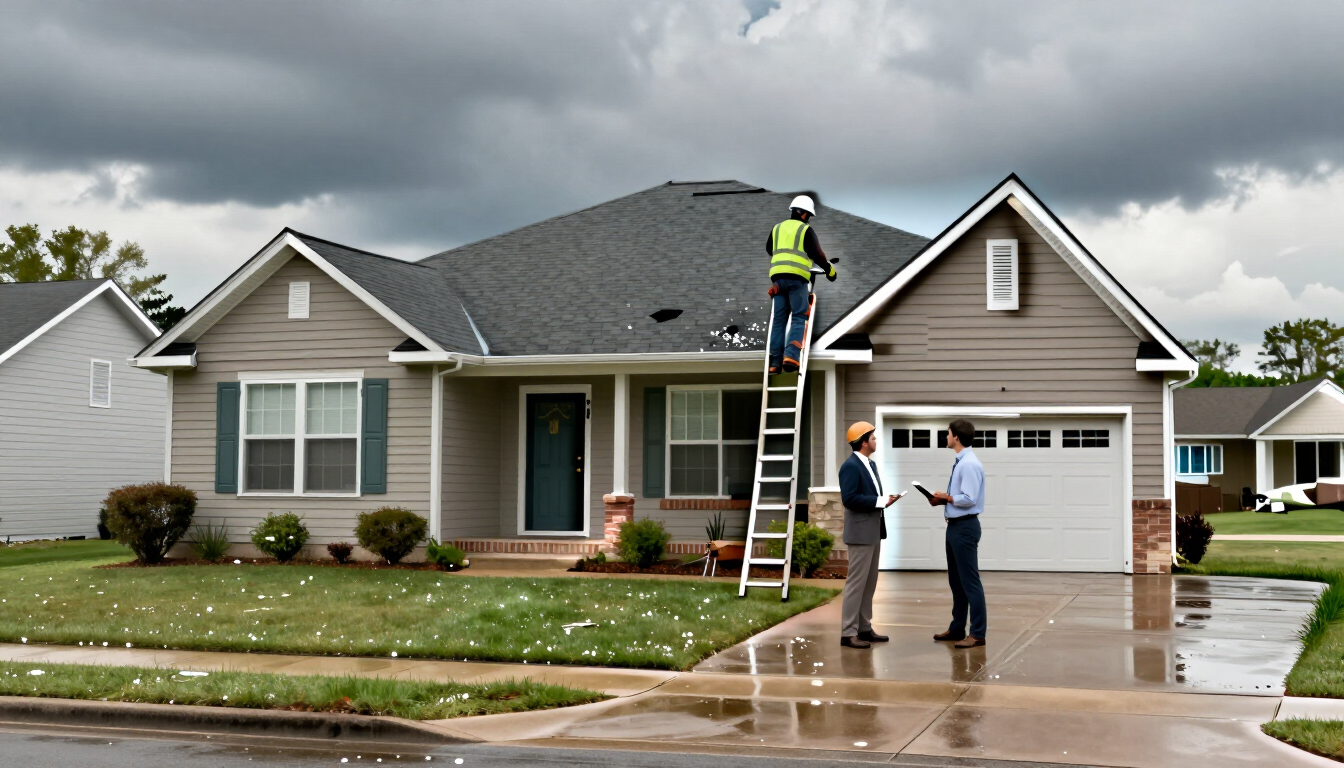
How to Choose Roof Coverage in Oklahoma
October 7, 2026

A roof payment schedule pays only a percentage of your roof’s repair or replacement cost based on its age and material. Replacement cost coverage may pay the full cost to replace a covered hail-damaged roof, minus your deductible, but policy conditions and roof exclusions matter. Check the declarations page before storm season.

Hail-damaged Oklahoma home roof

What is a roof payment schedule?

A roof payment schedule is a claims-settlement method that reduces the amount an insurer pays as a roof gets older. Instead of paying the full cost of a comparable new roof, the policy applies a percentage based on factors such as:

  • Roof age
  • Roofing material
  • Expected useful life
  • The percentage listed in the policy schedule
  • Your policy deductible

For example, a policy might pay 80% of the covered roof replacement cost for a relatively new roof, but only 40% for an older roof. The exact percentages vary by insurance carrier and policy. Some schedules use a fixed percentage by age; others apply depreciation based on the roof’s condition or remaining useful life.

A scheduled roof payment is not automatically the same as actual cash value. The policy language determines whether the settlement is based on a stated schedule, depreciated value, or another calculation. Ask your agent which method applies to your roof before a loss occurs.

How does replacement cost coverage differ?

Replacement cost coverage, often called replacement cost value or RCV, generally pays the reasonable cost to repair or replace covered damage with materials of similar kind and quality, without subtracting ordinary depreciation. You still pay the deductible, and the policy may require you to complete repairs before receiving all eligible funds.

A simplified RCV calculation looks like this:

Covered replacement cost − deductible = potential claim payment

A roof with replacement cost coverage may still have limitations. For example, the policy could:

  • Exclude cosmetic hail damage
  • Require the roof to meet a specified age or condition standard
  • Apply a separate wind or hail deductible
  • Limit payment for certain roofing materials
  • Pay an initial actual-cash-value amount, followed by recoverable depreciation after repairs
  • Exclude damage caused by wear, deterioration, improper maintenance, or faulty installation

Replacement cost does not mean every roof problem is covered. Insurance is designed for sudden, accidental, covered events—not gradual aging. Hail damage may be covered, while blistering shingles, algae, leaks from long-term deterioration, and normal wear may not be.

Roof payment schedule vs. replacement cost: which pays more?

Replacement cost coverage will usually pay more for a covered roof loss, especially when the roof is older. A roof payment schedule can leave a substantial gap between the insurer’s payment and the contractor’s invoice.

The difference depends on four main questions:

  1. Is the damage covered? A payment method cannot create coverage for an excluded event.
  2. What valuation method applies? Look for terms such as roof payment schedule, actual cash value, replacement cost, or recoverable depreciation.
  3. What deductible applies? Oklahoma policies may use a percentage deductible for wind or hail rather than a flat dollar amount.
  4. What conditions must you meet? The insurer may require inspections, proof of repair, documentation, or completion within a specific period.

If you are comparing policies, do not compare premiums alone. A lower premium may come with scheduled roof payments, a higher wind or hail deductible, or stricter roof-age rules. Review the policy’s declarations page and endorsements with an insurance professional.

A worked hail-damage example

Assume an Oklahoma homeowner has a covered hail claim with these facts:

  • Comparable roof replacement cost: $18,000
  • Policy deductible: $3,000
  • Roof payment schedule percentage: 50%
  • No separate coverage limit applies

Under a scheduled payment approach:

  • Scheduled covered amount: $18,000 × 50% = $9,000
  • Less deductible: $9,000 − $3,000 = $6,000 potential payment
  • Homeowner’s estimated remaining cost: $18,000 − $6,000 = $12,000

Under replacement cost coverage, assuming the entire roof qualifies and the policy has no unusual limitation:

  • Replacement cost: $18,000
  • Less deductible: $18,000 − $3,000 = $15,000 potential payment
  • Homeowner’s estimated remaining cost: $3,000

This is only an illustration. The actual claim may differ because of roof measurements, code-upgrade coverage, matching requirements, depreciation, policy limits, contractor pricing, and the insurer’s inspection. Never rely on a contractor’s estimate alone to determine what your policy will pay.

What should Oklahoma homeowners check before storm season?

Use this policy review checklist before hail and severe-weather season:

  • Roof valuation: Confirm whether the roof is covered on a replacement cost, actual cash value, or payment-schedule basis.
  • Roof age: Ask whether the carrier restricts coverage or changes payment terms after a specific age.
  • Roof material: Check whether architectural shingles, wood shakes, tile, metal, or specialty materials receive different treatment.
  • Wind and hail deductible: Determine whether it is a flat amount or a percentage of the dwelling coverage limit.
  • Cosmetic damage: Look for exclusions or endorsements involving dents, surface damage, or appearance-only loss.
  • Roof condition: Address known leaks, missing shingles, and deferred maintenance before a storm; document repairs.
  • Replacement deadlines: Learn how long you have to complete repairs and request recoverable depreciation.
  • Ordinance or law coverage: Ask whether the policy helps pay for code-required upgrades during rebuilding.
  • Matching provisions: Find out whether damaged materials must match undamaged portions of the roof.
  • Documentation: Keep inspection reports, invoices, photographs, permits, and maintenance records.

You can begin a broader home insurance quote comparison or request a policy review before the next severe-weather event. A review is especially useful if your roof is aging, you recently replaced it, or your policy renewed with new wind and hail terms.

How can you document your roof before a hailstorm?

Good documentation will not change your coverage, but it can make a claim easier to evaluate. Before storm season, consider these steps:

  1. Take clear, date-stamped photographs of each roof slope, gutters, flashing, vents, skylights, and visible exterior features.
  2. Save the installation invoice, contractor warranty, permits, inspection reports, and material information.
  3. Record the roof’s installation year and any repairs or maintenance.
  4. Photograph the home’s interior ceilings and attic only if there are existing concerns; do not create damage to test coverage.
  5. Store copies in a secure cloud location and keep the insurer’s claims number readily available.

After a storm, photograph visible damage from the ground when possible. Avoid climbing onto a wet or damaged roof. Report a suspected loss promptly, protect the property from further damage when safe, and keep receipts for reasonable temporary repairs. Do not make permanent repairs before the insurer has had a reasonable opportunity to inspect unless emergency conditions require it.

Homeowner reviewing an insurance policy and roof inspection photos

What questions should you ask your insurance agent?

Ask for plain-English answers to questions such as:

  • Is my roof settled using a payment schedule, actual cash value, or replacement cost?
  • What percentage applies at my roof’s current age?
  • Is hail damage covered if the roof is older than a stated limit?
  • Does my wind or hail deductible equal a percentage of dwelling coverage?
  • Is cosmetic hail damage excluded?
  • Are code upgrades, matching materials, and full replacement included?
  • How much time do I have to replace the roof and recover withheld depreciation?
  • Would an endorsement change the roof’s valuation or deductible?

Request the answers in writing or ask where the terms appear in the policy. The declarations page summarizes important coverage, but exclusions and endorsements may contain the details that determine a claim.

Five common Oklahoma roof coverage mistakes

  1. Assuming every hail mark means a covered replacement. Hail damage must meet the policy’s coverage terms, and cosmetic damage may be excluded.
  2. Ignoring roof age. An older roof may qualify for a reduced payment, limited coverage, or no coverage for certain causes of loss.
  3. Confusing replacement cost with guaranteed replacement. Limits, deductibles, exclusions, and documentation requirements still apply.
  4. Choosing a contractor before reviewing the policy. A contractor can estimate damage but cannot promise what the insurer will pay.
  5. Waiting until after a storm to read the declarations page. Coverage questions are easier to address before a loss, not during a claims deadline.

Frequently asked questions about Oklahoma roof coverage

How does a roof payment schedule work?

A roof payment schedule reduces the covered payment according to the roof’s age and material. The policy assigns a percentage or calculation, then the applicable deductible is subtracted. The schedule and exclusions in your policy control the result.

Does homeowners insurance pay for an old roof after hail?

It may, if hail damage is a covered cause of loss and the roof meets the policy’s age, condition, and material requirements. The insurer may pay less under a schedule or actual-cash-value method, and wear or maintenance problems are generally not covered.

Is replacement cost coverage better for an aging roof?

Replacement cost coverage can provide more financial protection for a covered loss because it generally does not subtract ordinary depreciation. However, it may cost more and still include deductibles, exclusions, roof-age conditions, limits, and repair deadlines.

What is a normal roof deductible in Oklahoma?

There is no single normal deductible. Policies may use a flat dollar amount or a percentage of dwelling coverage for wind and hail. Check your declarations page; a 2% deductible on a $300,000 dwelling limit would equal $6,000.

Should I replace my roof before storm season?

Replace or repair a roof based on its condition, safety, and professional recommendations—not solely to create insurance coverage. Insurance generally does not cover pre-existing deterioration. Before making a decision, review your policy and obtain an independent roof inspection.

Key takeaways for Oklahoma homeowners

A roof payment schedule can reduce a hail claim substantially because the payment is tied to roof age and material. Replacement cost coverage generally offers a stronger financial outcome for a covered loss, but it does not remove deductibles, exclusions, or documentation requirements. Before storm season, verify your roof’s valuation method, age limits, wind and hail deductible, cosmetic-damage language, and repair deadlines. Photograph the roof and save installation records. If the terms are unclear, compare your declarations page with the full policy and arrange a home insurance consultation before severe weather arrives.

Oklahoma home with wind and hail deductible buyback coverage
October 5, 2026
Learn how a standalone wind/hail deductible buyback policy can reimburse Oklahoma homeowners after a covered storm, including premiums, examples, and roof ACV limits.
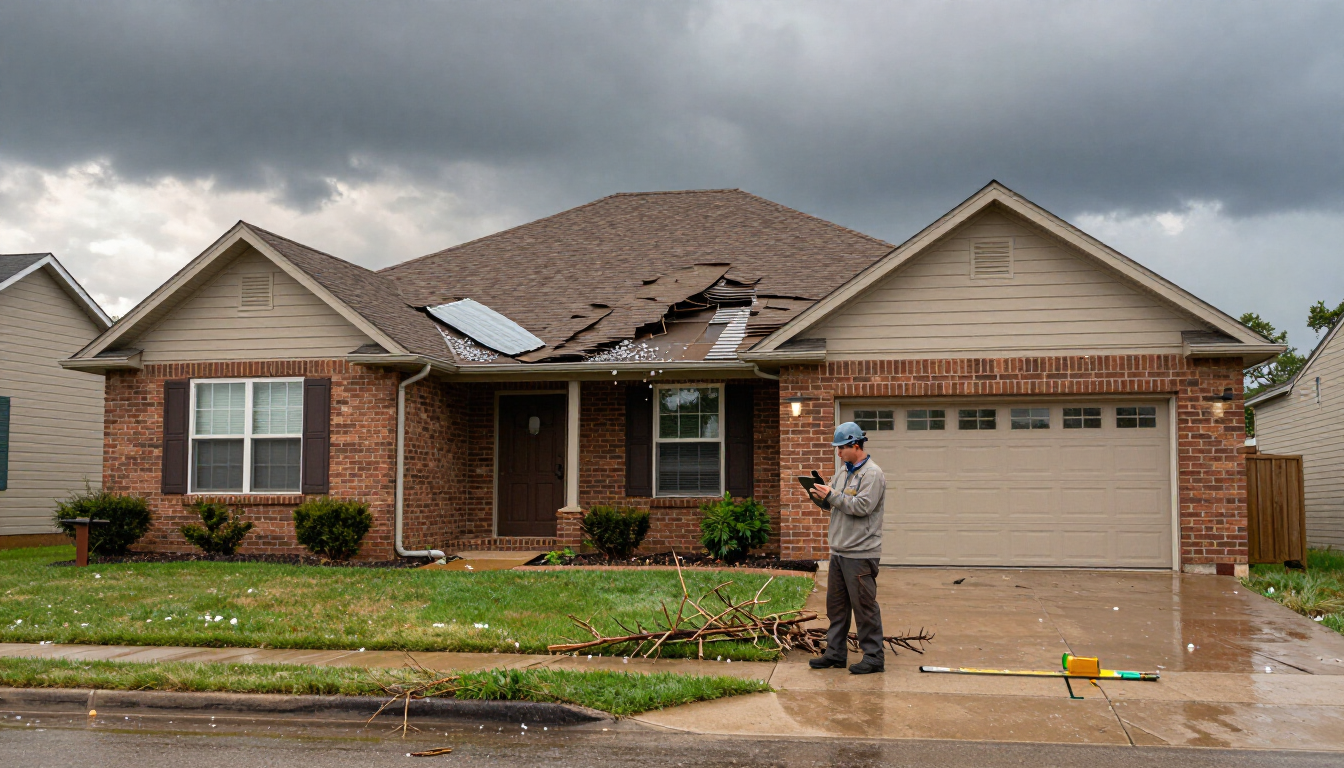
Home insurance myths for Oklahoma homeowners
October 3, 2026
Home insurance myths can leave Oklahoma homeowners underinsured. Learn what coverage really protects against, from replacement cost to flood, wind, liability, and credit.

Oklahoma home insurance non-renewal and roof inspection
September 29, 2026
Learn why Oklahoma insurers non-renew homeowners policies, including roof age, hail claims and catastrophe limits, plus what to do after a non-renewal notice.
Oklahoma home insurance premiums affected by storm risk and rising rebuild costs
September 24, 2026
Why do Oklahoma home insurance premiums rise with zero claims? Learn how rate filings, storms, reinsurance, roofs, credit, and rebuild costs affect your rate.

Independent insurance agent comparing coverage options with Oklahoma shoppers
September 22, 2026
Compare an independent insurance agent vs. a captive agent in Oklahoma, including carrier access, pricing flexibility, switching options, and what to ask before choosing.
Independent insurance agent comparing Oklahoma home insurance options with a homeowner
September 17, 2026
Compare an independent insurance agent with a direct carrier for Oklahoma home insurance, including carrier choice, storm risks, claims support, and coverage questions.
Commercial insurance for Oklahoma landlords reviewing property coverage
September 17, 2026
Learn when Oklahoma landlords need commercial insurance instead of personal coverage, including unit count, ownership, tenants, and entity structure.
Modern multi-family residential building in Oklahoma at sunset representing commercial real estate.
September 8, 2026
Learn exactly when Oklahoma landlords need to switch from personal to commercial insurance. Covers unit counts, LLC ownership, and portfolio growth strategies.
Modern rental homes in Oklahoma representing property investment portfolio protection.
September 4, 2026
Discover why umbrella insurance is essential for Oklahoma landlords and real estate investors. Learn how to protect your rental portfolio from liability risks and lawsuits.
A beautiful modern home in Edmond Oklahoma representing a short-term rental property.
September 1, 2026
Ensure your Oklahoma rental is protected. Discover why Airbnb and VRBO owners need specialized short-term rental insurance to cover liability and storms.
Show More