

How to Switch Home Insurance in Oklahoma
October 15, 2026

Switching home insurance companies in Oklahoma is safest when you make the new policy effective before the old one ends. Compare matching coverage limits, deductibles, exclusions, and financial strength; bind the replacement policy, confirm the start date, then cancel the old policy and notify your mortgage company.

When should you shop for a new Oklahoma home insurance policy?

The best time to compare policies is 30 to 60 days before renewal . This gives you time to review options, ask questions, and avoid rushing into a cancellation.

You may also want to shop when:

  • Your renewal premium increases significantly
  • Your insurer changes coverage, deductibles, or exclusions
  • You have renovated, added an outbuilding, or purchased expensive belongings
  • Your claims history, credit-based insurance score, or household circumstances have changed
  • Customer service or claim handling no longer meets your expectations

A clean claims history can help you present a strong application, but it does not guarantee a lower premium. Oklahoma rates can change because of severe weather, rebuilding costs, inflation, regional losses, and carrier underwriting decisions.

If your renewal notice shows a higher price, do not assume every insurer will charge the same amount. Start by reviewing your current declarations page and request comparable quotes from an independent agency.

Photorealistic Oklahoma homeowner comparing insurance renewal documents at a kitchen table

How do you compare home insurance quotes in Oklahoma?

Compare quotes using the same coverage assumptions. A lower premium may reflect less protection rather than a better deal.

Ask each agent to quote these core items consistently:

  1. Dwelling coverage: The estimated cost to rebuild your home, not its market value or land value.
  2. Other structures: Protection for detached garages, sheds, fences, and similar property.
  3. Personal property: Coverage for furniture, electronics, clothing, tools, and other belongings.
  4. Loss of use: Temporary living expenses if a covered loss makes your home uninhabitable.
  5. Liability and medical payments: Protection if someone is injured or you are held responsible for covered damage.

Also compare the deductible structure. Some policies have separate wind, hail, or named-storm deductibles. In Oklahoma, those details can substantially affect what you pay after a major weather event.

Review exclusions and optional coverage for risks such as:

  • Flooding
  • Earth movement or earthquake damage
  • Sewer or drain backup
  • High-value jewelry, firearms, collectibles, or business equipment
  • Roof settlement, cosmetic roof damage, or matching restrictions

Your standard homeowners policy may not cover every risk. Consider whether separate flood insurance or earthquake insurance is appropriate for your property.

What information do you need for accurate quotes?

Prepare your current declarations page, property address, mortgage information, roof age, heating and electrical details, prior claims, and the approximate value of your belongings. Tell the agent about renovations, pools, trampolines, detached structures, pets, home businesses, and protective devices.

Accurate information helps prevent surprises during underwriting. Do not lower dwelling limits simply to reduce the premium. If a replacement-cost estimate is outdated, ask whether the carrier can review the home’s construction features and current local rebuilding costs.

A policy review can help identify gaps before you switch. You can also request a home insurance quote for a side-by-side comparison.

How can you avoid a gap in coverage?

The most important rule is simple: never cancel your existing policy until the replacement policy is active and confirmed in writing. A quote is not coverage. An application is not necessarily coverage. You need confirmation that the new insurer has bound the policy and that the effective date and time are correct.

Use this switching sequence:

  1. Request multiple comparable quotes.
  2. Select the policy and complete the application honestly.
  3. Pay any required down payment or initial premium.
  4. Ask the agent to bind coverage for a specific date and time.
  5. Obtain the declarations page or binder showing active coverage.
  6. Confirm the new insurer will send proof of insurance to your mortgage company.
  7. Only then request cancellation of the old policy.

Avoid setting the new policy to begin after the old policy expires. If the policies overlap for a day, that is usually safer than leaving an uninsured interval, though you should ask the agents how overlapping coverage and premium refunds will be handled.

Photorealistic insurance agent confirming a homeowners policy effective date with an Oklahoma client

How do cancellation and refunds work?

Cancellation procedures depend on your policy, insurer, payment plan, and the reason for cancellation. In many cases, you can request cancellation on a specific date and receive a refund for unused premium. The amount may be adjusted for earned premium, fees, installment charges, or a short-rate calculation.

Before cancelling, ask:

  • What date will the old policy terminate?
  • Is written notice required?
  • Will the insurer charge a cancellation fee or short-rate penalty?
  • How will any unused premium be refunded?
  • Will the mortgage company receive confirmation?
  • Does the new policy begin before the cancellation date?

Do not rely on an automatic payment stopping as proof of cancellation. Contact the insurer or agency directly and retain the cancellation confirmation. If your mortgage company paid the old premium from escrow, the refund may be sent to the lender rather than directly to you.

If the old carrier cancels your policy instead of you choosing to switch, act quickly. A notice of nonrenewal or cancellation can affect deadlines, eligibility, and your ability to secure replacement coverage.

What should you tell your mortgage company?

Your mortgage company has a financial interest in keeping the home insured. After binding the new policy, provide the lender with the declarations page, policy number, effective date, insurer name, and mortgagee clause exactly as requested.

Ask the new agency to send proof of insurance electronically when possible. Then contact your mortgage servicer to confirm it has updated its records and removed the old policy from its tracking system.

This matters especially when insurance is paid through escrow. If the lender does not receive proof, it may purchase lender-placed insurance. That coverage can be more expensive and may protect only the lender’s interest, not your personal property or liability.

Keep copies of:

  • The new declarations page
  • The old policy cancellation confirmation
  • Refund documentation
  • Emails or letters sent to the mortgage company
  • Confirmation that the lender accepted the new policy

What mistakes should Oklahoma homeowners avoid?

The most common switching mistakes are preventable:

  • Choosing the lowest quote without comparing limits and exclusions
  • Cancelling the old policy before the new one is bound
  • Forgetting to disclose renovations, roof age, pools, or additional structures
  • Assuming flood or earthquake damage is automatically covered
  • Ignoring special wind, hail, or roof deductibles
  • Failing to update the mortgage company
  • Letting automatic payments create confusion about the actual cancellation date

Oklahoma homeowners should pay close attention to roof coverage, wind and hail deductibles, replacement-cost terms, and exclusions. Ask the agent to explain any difference between the old and new policy in plain language.

For related protection, review umbrella insurance if your assets or liability exposure have increased.

Frequently asked questions about switching home insurance in Oklahoma

Can I switch home insurance companies at any time?

Usually, yes. You do not always have to wait for renewal, but check your policy for cancellation terms, fees, and refund rules. Switching at renewal is often simpler because the old term is ending naturally.

Will switching home insurance affect my mortgage?

Switching should not change your mortgage loan, but your lender must receive proof of the new policy. Provide the declarations page and confirm the mortgagee information is correct.

How long does it take to switch homeowners insurance?

A straightforward switch may take a few days, but underwriting reviews, inspections, property details, or unusual risks can take longer. Begin at least several weeks before renewal when possible.

Can I get a refund after cancelling my Oklahoma home insurance policy?

You may receive a refund for unused premium, subject to the insurer’s cancellation method, earned premium, fees, and payment arrangement. Ask for the refund calculation in writing.

What is the safest way to switch home insurance without a gap?

Bind the replacement policy first, verify its effective date, obtain proof of coverage, notify the mortgage company, and then cancel the old policy in writing. Keep every confirmation.

Your next step

To switch home insurance companies in Oklahoma safely, begin before renewal or soon after a rate increase. Compare equivalent coverage rather than premiums alone, verify deductibles and exclusions, bind the new policy before cancelling the old one, and confirm your mortgage company has received proof. A clean claims history may help during the comparison, but accurate property information remains essential. For a practical side-by-side review, request a free quote comparison from Miner Family Insurance and discuss the coverage your Oklahoma home actually needs.

Oklahoma home insurance guide for homebuyers
October 13, 2026
Learn when to get home insurance in Oklahoma, what lenders require, and how roof age, claims history, and wind and hail deductibles affect your price.
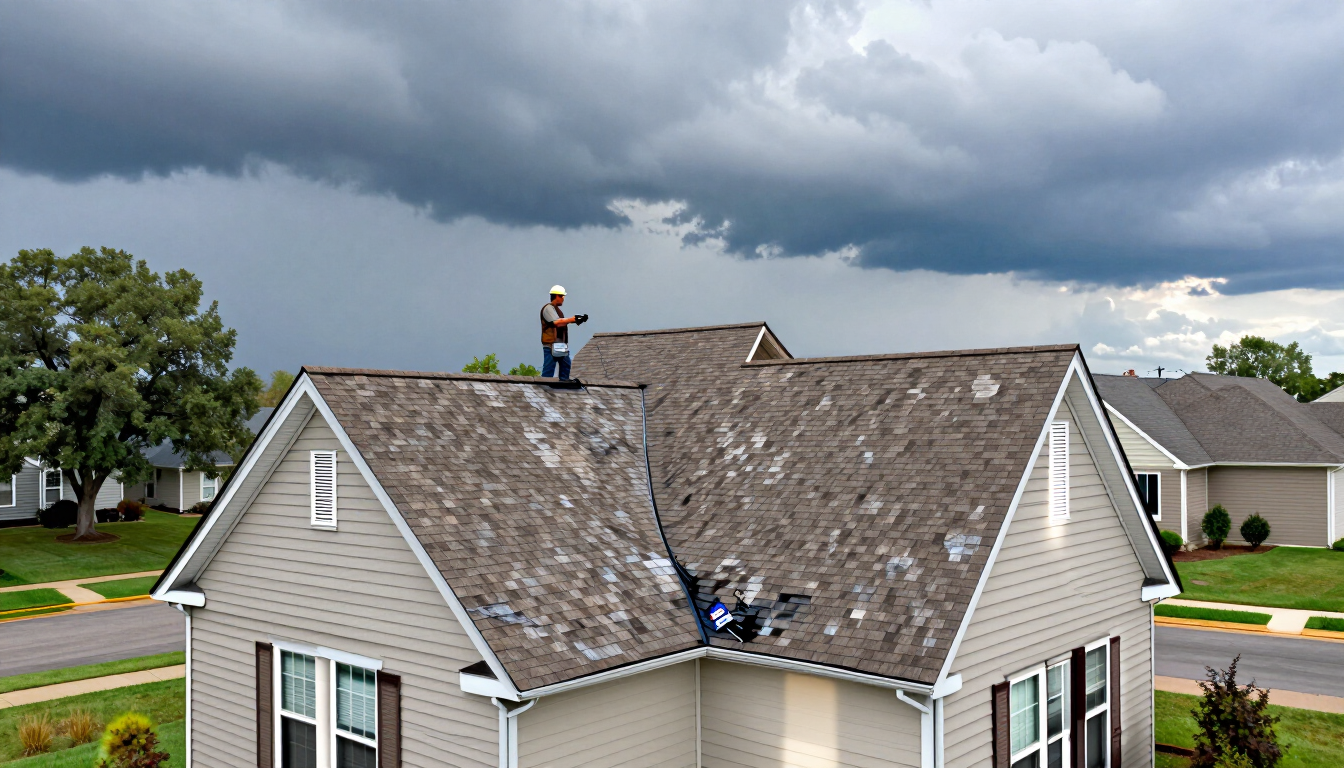
Oklahoma home roof coverage after hail damage
October 7, 2026
Learn how an Oklahoma roof payment schedule differs from replacement cost coverage, with a hail-damage example and a policy checklist for homeowners.

Oklahoma home with wind and hail deductible buyback coverage
October 5, 2026
Learn how a standalone wind/hail deductible buyback policy can reimburse Oklahoma homeowners after a covered storm, including premiums, examples, and roof ACV limits.
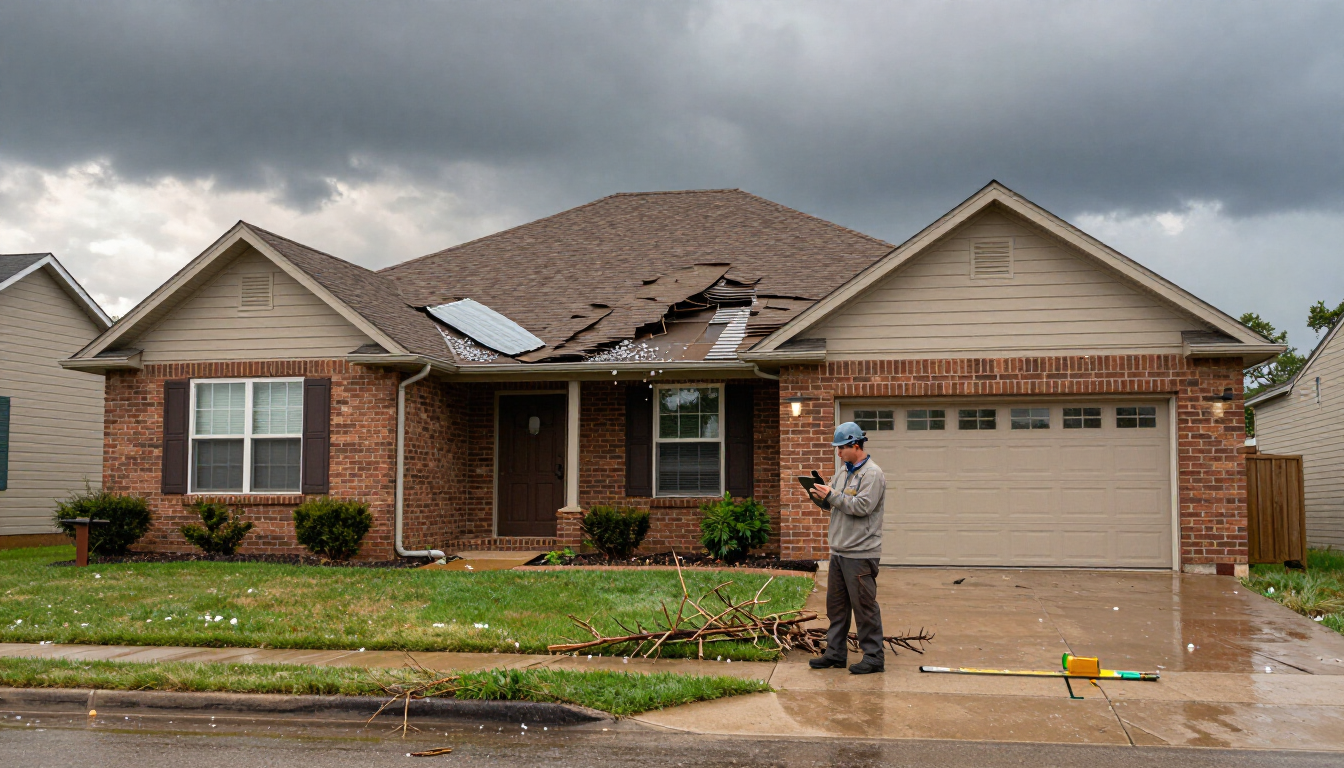
Home insurance myths for Oklahoma homeowners
October 3, 2026
Home insurance myths can leave Oklahoma homeowners underinsured. Learn what coverage really protects against, from replacement cost to flood, wind, liability, and credit.

Oklahoma home insurance non-renewal and roof inspection
September 29, 2026
Learn why Oklahoma insurers non-renew homeowners policies, including roof age, hail claims and catastrophe limits, plus what to do after a non-renewal notice.

Oklahoma home insurance premiums affected by storm risk and rising rebuild costs
September 24, 2026
Why do Oklahoma home insurance premiums rise with zero claims? Learn how rate filings, storms, reinsurance, roofs, credit, and rebuild costs affect your rate.

Independent insurance agent comparing coverage options with Oklahoma shoppers
September 22, 2026
Compare an independent insurance agent vs. a captive agent in Oklahoma, including carrier access, pricing flexibility, switching options, and what to ask before choosing.
Independent insurance agent comparing Oklahoma home insurance options with a homeowner
September 17, 2026
Compare an independent insurance agent with a direct carrier for Oklahoma home insurance, including carrier choice, storm risks, claims support, and coverage questions.
Commercial insurance for Oklahoma landlords reviewing property coverage
September 17, 2026
Learn when Oklahoma landlords need commercial insurance instead of personal coverage, including unit count, ownership, tenants, and entity structure.
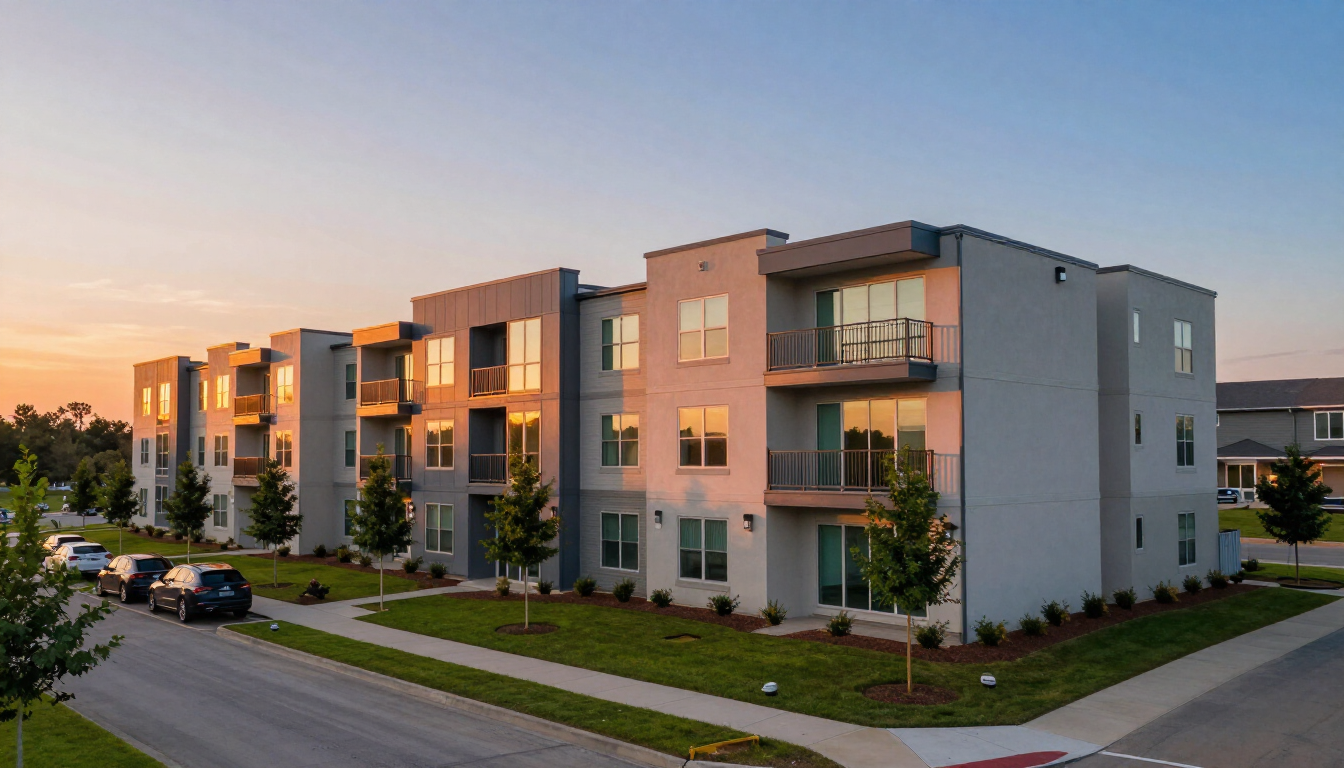
Modern multi-family residential building in Oklahoma at sunset representing commercial real estate.
September 8, 2026
Learn exactly when Oklahoma landlords need to switch from personal to commercial insurance. Covers unit counts, LLC ownership, and portfolio growth strategies.
Show More