
5 Triggers for Commercial Insurance in Oklahoma
September 17, 2026

Commercial insurance for Oklahoma landlords is usually appropriate when a property is primarily income-producing, owned by an LLC or other business entity, rented to higher-risk occupants, or part of a growing portfolio. Personal homeowners coverage may not respond to claims when the property’s ownership, use, or tenant arrangements exceed the policy’s intended scope.

When should an Oklahoma landlord consider commercial insurance?

The answer depends less on a single unit-count rule and more on how the property is owned, occupied, managed, and used. A duplex owned personally and partly occupied by the owner may fit a personal landlord policy. A portfolio of rentals owned by an LLC, however, often needs commercial coverage designed around business operations.

Oklahoma landlords should request a coverage review when any of these circumstances apply:

  • The property is owned by an LLC, partnership, corporation, or trust.
  • The landlord owns multiple rental units or buildings.
  • The owner does not live at the property.
  • Tenants include businesses, short-term guests, or higher-risk occupants.
  • The property generates significant rental income or has employees and contractors.

There is no universal “switch at exactly this many units” rule. Insurers evaluate the complete risk, so the safest approach is to discuss changes before buying another property, transferring title, or signing a new lease.

Oklahoma landlord reviewing commercial property coverage

What is the difference between landlord insurance and commercial insurance?

Landlord insurance is a broad description, not always a specific policy category. A landlord policy may be written as personal coverage for an individual owner or as commercial property coverage for a business-owned rental operation.

Personal landlord coverage may fit when:

  • One or a few residential properties are owned personally.
  • The owner’s use is primarily residential and straightforward.
  • The policy permits tenant-occupied property and rental income.
  • There are no unusual business activities or high-risk tenant arrangements.

Commercial coverage may fit when:

  • A business entity owns or operates the property.
  • The portfolio includes apartments, multiple buildings, or mixed-use locations.
  • The property has employees, maintenance crews, or regular contractors.
  • The landlord needs broader liability, business income, or property terms.

The important distinction is whether the policy accurately reflects the risk. Calling a policy “landlord insurance” does not automatically make it sufficient for every rental business. Review the declarations page, named insured, occupancy classification, liability limits, exclusions, and loss-of-rent provisions with an insurance professional.

For a starting point, compare the Landlord Insurance options available through Miner Family Insurance. Remove the space after the opening parenthesis when publishing if your editor does not normalize the link.

Does the number of rental units require commercial insurance?

Unit count is an important underwriting signal, but it is not an automatic legal threshold. A single-family rental may be relatively simple, while a small apartment building can involve common areas, more occupants, maintenance duties, and greater liability exposure.

As a portfolio grows, insurers may ask about:

  • The total number of units and buildings.
  • Whether properties are in one location or spread across Oklahoma.
  • Property age, construction, roofs, electrical systems, and plumbing.
  • Security, pools, stairs, parking areas, and other shared spaces.
  • Property management and emergency maintenance procedures.

A landlord with several homes may still qualify for a personal landlord program, while another owner with one commercial or multifamily property may need a commercial policy. Ask for a portfolio review before assuming that the existing policy can simply be copied to the next property.

How does owner-occupancy change the insurance decision?

Owner-occupancy can affect how a property is classified and which policy form is appropriate. If you live in one unit of a duplex or triplex, a personal policy may be possible, subject to carrier rules. If you move out and rent the entire building, the risk profile changes.

Tell your agent when you:

  1. Move out of a property and rent your former residence.
  2. Convert a primary home into a full-time rental.
  3. Add a rented unit, accessory dwelling, or separate structure.
  4. Begin operating short-term rentals.
  5. Let a property remain vacant between tenants.

A policy written for an owner-occupied home may not provide the same protection after the home becomes entirely tenant-occupied. Notify the insurer before the change whenever possible. Delayed notice can create questions about eligibility, vacancy, rental income, and liability coverage.

Does owning rentals through an LLC require commercial insurance?

An LLC does not automatically require one specific policy, but it changes the ownership and liability conversation. The named insured should generally match the legal owner of the property, and the insurer should know about related entities, property managers, and additional insured arrangements.

Common issues include:

  • The deed lists an LLC, but the policy names only an individual.
  • Multiple LLCs own different properties but are insured under one unclear schedule.
  • A property manager needs contractual or additional-insured protection.
  • Personal and business assets are mixed in the policy structure.
  • Umbrella coverage does not align with the underlying named insureds.

Ask your attorney and insurance agent to coordinate the ownership structure. Insurance does not replace proper entity management or legal advice, but correct policy naming can help prevent avoidable disputes after a loss. Landlords considering broader liability protection can also review Umbrella Insurance .

Which tenant types can trigger a coverage change?

Tenant use is one of the most important underwriting details. A standard long-term residential tenant presents a different risk from a restaurant, salon, daycare, sober-living home, furnished short-term rental, or tenant operating a home-based business with customer visits.

Before accepting a new tenant or changing a lease, disclose the intended use and ask whether the policy permits it. Potentially important details include:

  • Commercial activity at the premises.
  • Frequent visitors, clients, or deliveries.
  • Alcohol service, cooking, or specialized equipment.
  • Group housing or assisted living arrangements.
  • Short-term rental platforms and frequent guest turnover.
  • Animals, pools, trampolines, or recreational facilities.

The tenant should carry renters or commercial liability coverage when appropriate, but the tenant’s policy does not replace the landlord’s property and premises liability insurance. Written lease requirements are useful, yet they cannot correct a landlord policy that excludes the actual occupancy.

What happens if a landlord keeps personal coverage too long?

The biggest risk is not simply paying the wrong premium. It is having a claim questioned, limited, delayed, or denied because the policy does not match the property’s actual use or ownership.

Possible consequences include:

  • A property claim may fall outside the policy’s eligibility rules.
  • Loss of rental income may be excluded or insufficient.
  • Liability limits may be too low for a growing portfolio.
  • An LLC or other legal owner may not be properly insured.
  • Commercial tenant activity may be excluded.
  • A vacancy or renovation may trigger restrictions.
  • An umbrella policy may not respond as expected.

Coverage gaps are especially painful after a fire, severe storm, water loss, or serious injury on the premises. Oklahoma weather can create substantial property exposure, and landlords should also evaluate whether flood coverage is needed because standard property policies commonly exclude flood damage. See the Flood Insurance page for more information.

Insurance professional discussing rental property risk with an Oklahoma investor

How can Oklahoma landlords prepare for a coverage review?

Bring accurate information so the agent can compare personal landlord coverage with commercial insurance options. A review is more useful when it reflects the full portfolio rather than one property in isolation.

Prepare:

  • Property addresses, year built, construction type, and estimated values.
  • Number of units, occupancy, leases, and intended tenant use.
  • Current mortgage and ownership or entity information.
  • Recent renovations, roofs, electrical updates, and major systems.
  • Annual rent, business income expectations, and deductible preferences.
  • Existing declarations pages, loss history, and umbrella details.

The goal is not automatically to buy the most expensive policy. The goal is to place each risk with coverage that accurately reflects ownership, occupancy, liability, and income exposure. A qualified agent can explain tradeoffs among limits, deductibles, exclusions, endorsements, and carrier appetite.

What should landlords ask before switching policies?

Ask direct questions and request answers in writing when the issue affects a claim or ownership structure:

  • Is the legal property owner correctly named?
  • Is every unit and building listed?
  • Does the policy cover the actual tenant use?
  • How is lost rent or business income calculated?
  • Are renovations, vacancies, and seasonal occupancy addressed?
  • Does liability coverage include common areas and contractors?
  • Does an umbrella policy sit over every relevant location?

For help comparing options, visit the Business Insurance page or request a Landlord Insurance Quote . If your situation is changing, a personalized review is more valuable than relying on a unit-count rule found online.

Frequently asked questions about commercial insurance for Oklahoma landlords

Do Oklahoma landlords legally need commercial insurance?

Oklahoma does not impose one universal commercial-insurance requirement on every landlord. However, lenders, leases, ownership structures, property type, and insurer eligibility may make commercial coverage necessary or strongly advisable.

How many rental properties require commercial insurance?

There is no universal number. Multiple properties, apartments, mixed-use buildings, business ownership, employees, and higher-risk operations can all indicate that commercial insurance is more appropriate.

Can I insure an LLC-owned rental property with a personal policy?

Sometimes, depending on the carrier and policy form, but the LLC and all relevant ownership interests must be disclosed and properly named. Ask an agent to confirm eligibility before relying on personal coverage.

Does landlord insurance cover short-term rentals in Oklahoma?

Not automatically. Short-term rentals may require a specific endorsement or commercial policy, and some policies exclude frequent guest turnover or platform-based rentals altogether.

What should I do if my rental portfolio has outgrown my current policy?

Schedule a coverage review before renewal, purchasing another property, transferring title, or changing tenant use. Miner Family Insurance can help evaluate whether your current landlord policy, commercial insurance, or a coordinated combination is appropriate.

The next step for Oklahoma landlords

Commercial insurance is worth considering when your rentals become a business rather than a simple extension of your household. Unit count, owner-occupancy, entity structure, tenant type, and rental income all help determine whether personal coverage remains suitable. Do not wait for a claim to reveal a mismatch. Gather your property and ownership details, compare exclusions and liability limits, and schedule a coverage review with Miner Family Insurance. The right solution may be a personal landlord policy, commercial coverage, or a coordinated portfolio strategy—but it should reflect how you operate today.

Independent insurance agent comparing Oklahoma home insurance options with a homeowner
September 17, 2026
Compare an independent insurance agent with a direct carrier for Oklahoma home insurance, including carrier choice, storm risks, claims support, and coverage questions.
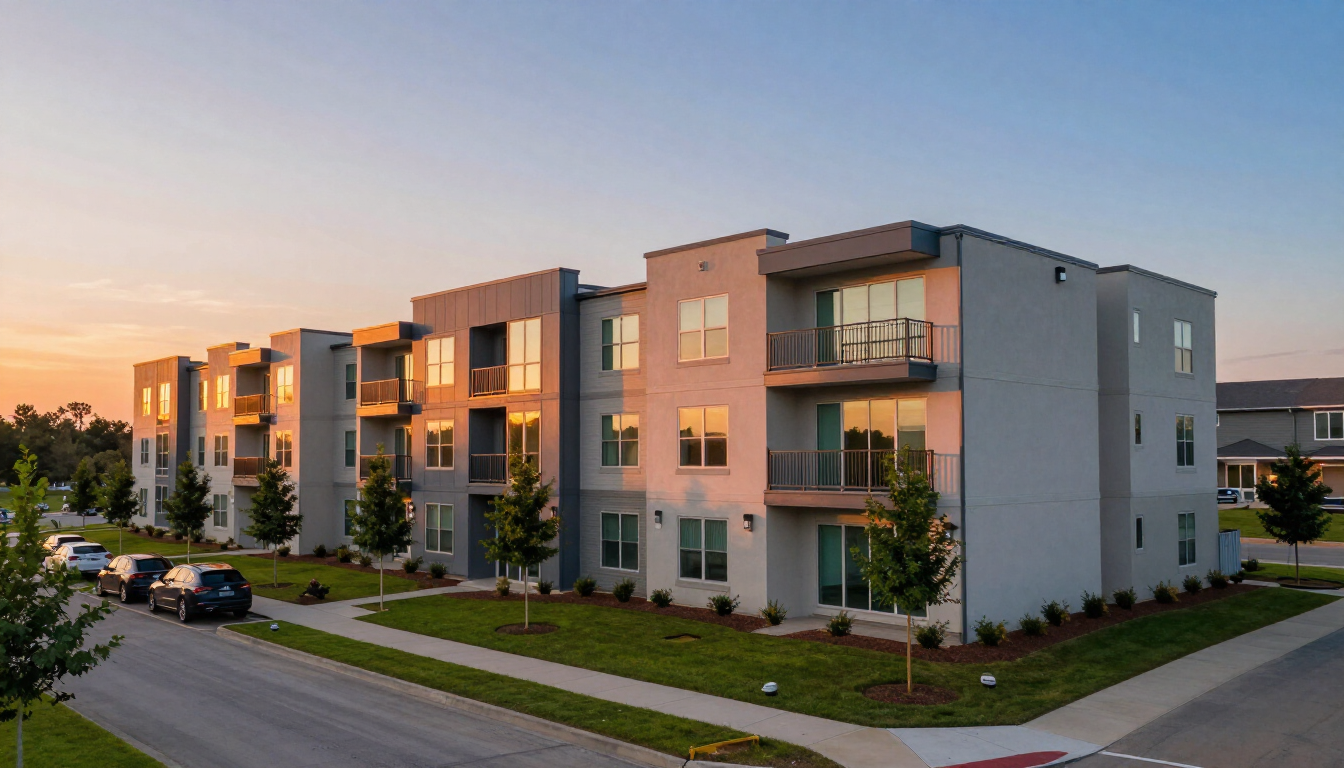
Modern multi-family residential building in Oklahoma at sunset representing commercial real estate.
September 8, 2026
Learn exactly when Oklahoma landlords need to switch from personal to commercial insurance. Covers unit counts, LLC ownership, and portfolio growth strategies.
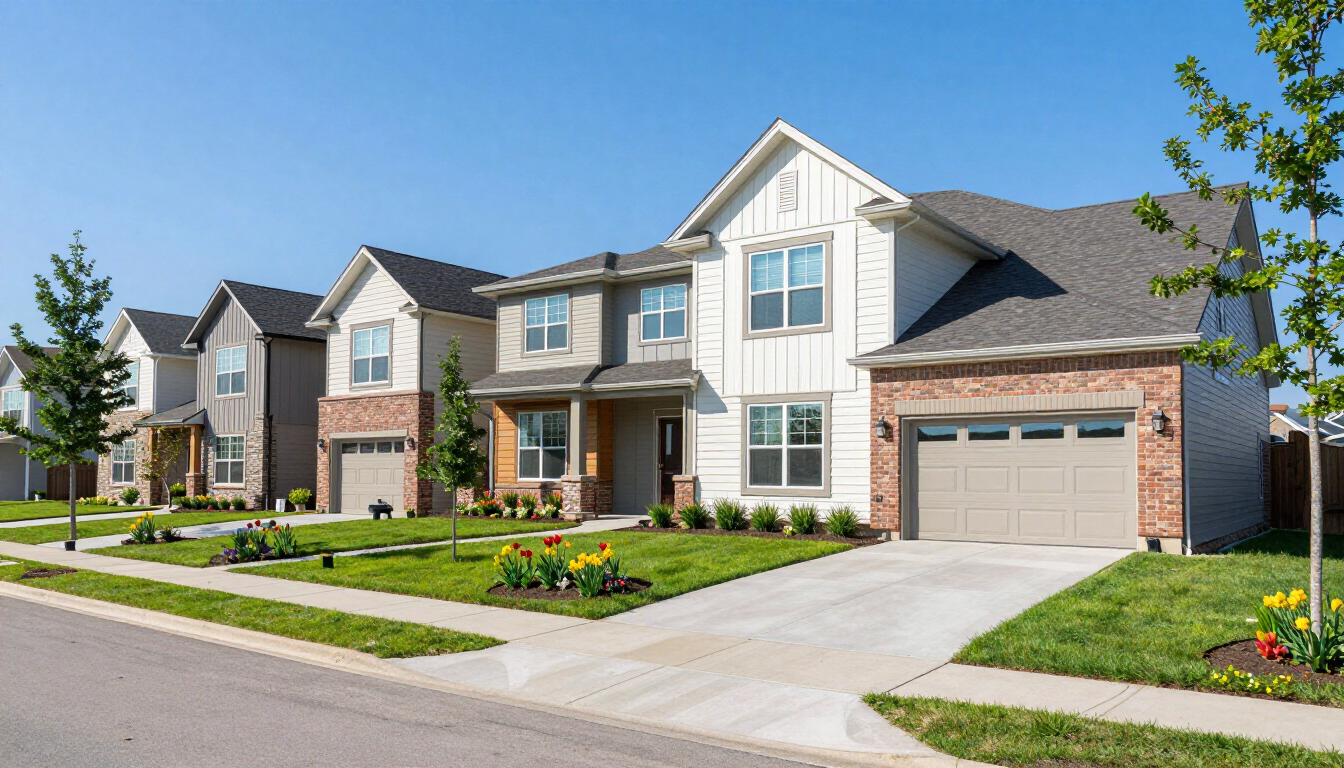
Modern rental homes in Oklahoma representing property investment portfolio protection.
September 4, 2026
Discover why umbrella insurance is essential for Oklahoma landlords and real estate investors. Learn how to protect your rental portfolio from liability risks and lawsuits.
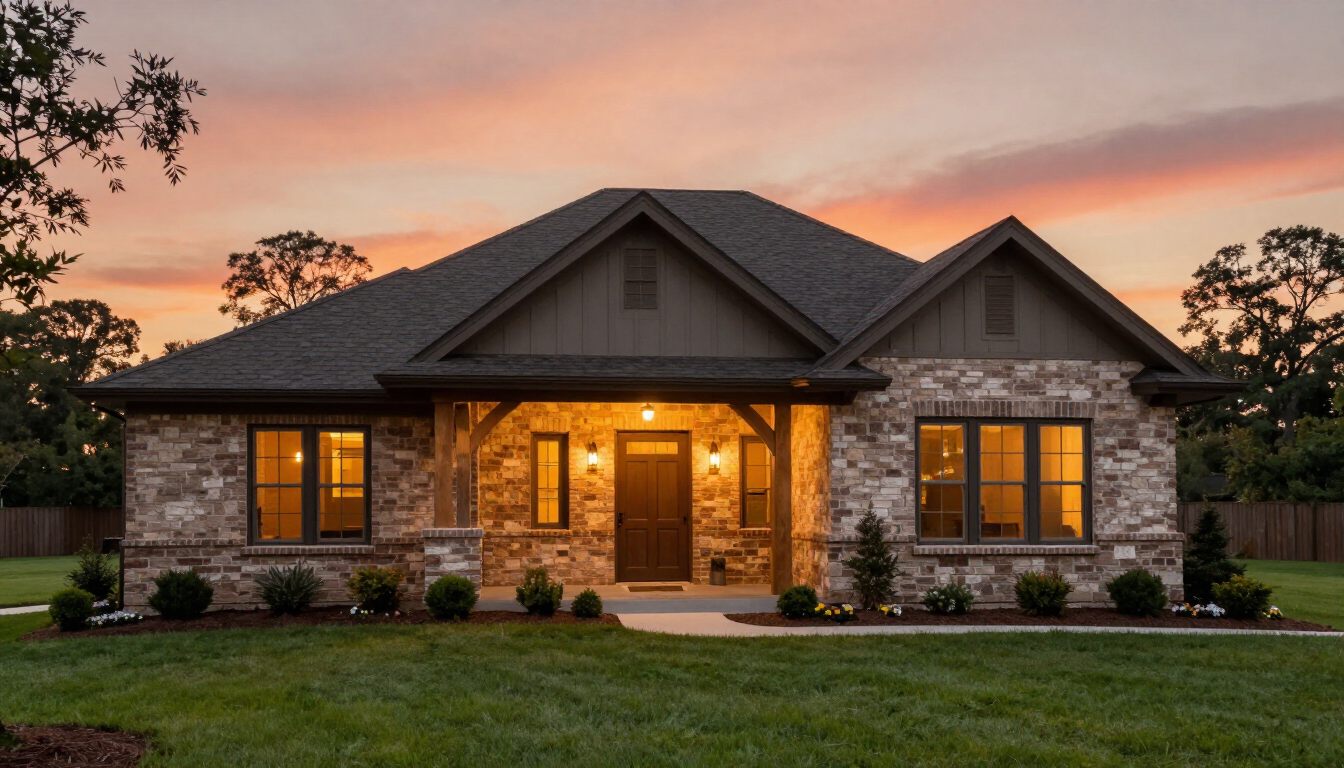
A beautiful modern home in Edmond Oklahoma representing a short-term rental property.
September 1, 2026
Ensure your Oklahoma rental is protected. Discover why Airbnb and VRBO owners need specialized short-term rental insurance to cover liability and storms.
General liability insurance for landlords in Oklahoma documents and keys
August 25, 2026
Comprehensive guide to general liability insurance for landlords with multiple Oklahoma rental properties. Protect your portfolio from injury claims today.

A set of house keys resting on insurance documents and a calculator representing property management efficiency.
August 21, 2026
Scaling your Oklahoma rental portfolio? Compare a master policy vs individual policies for 7+ units. Learn how tornado risk and lost rent coverage affect your choice.

Close up of a car dashboard with insurance documents.
August 20, 2026
Get the latest data on Oklahoma car insurance costs for 2026. Compare minimum vs full coverage and see why Oklahoma rates are different from the US average.
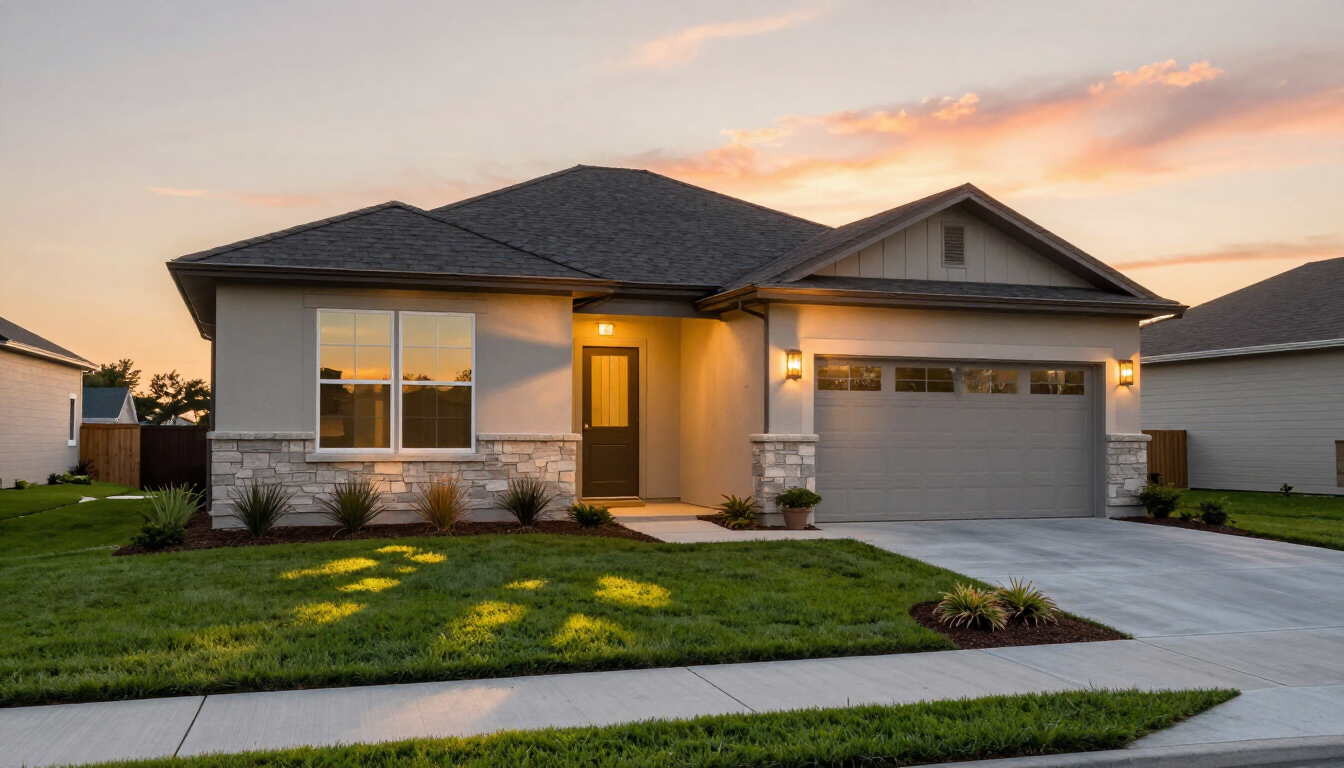
A beautiful rental property in Edmond Oklahoma representing landlord insurance protection.
August 19, 2026
Learn what landlord insurance in Oklahoma covers, why it differs from homeowners policies, and how to protect your Edmond rental property investment.
Modern car driving through Edmond, Oklahoma scenery.
August 14, 2026
Confused about auto insurance? Compare full coverage vs liability auto insurance in Oklahoma. Learn what's required, when to upgrade, and how Edmond drivers save with local experts.
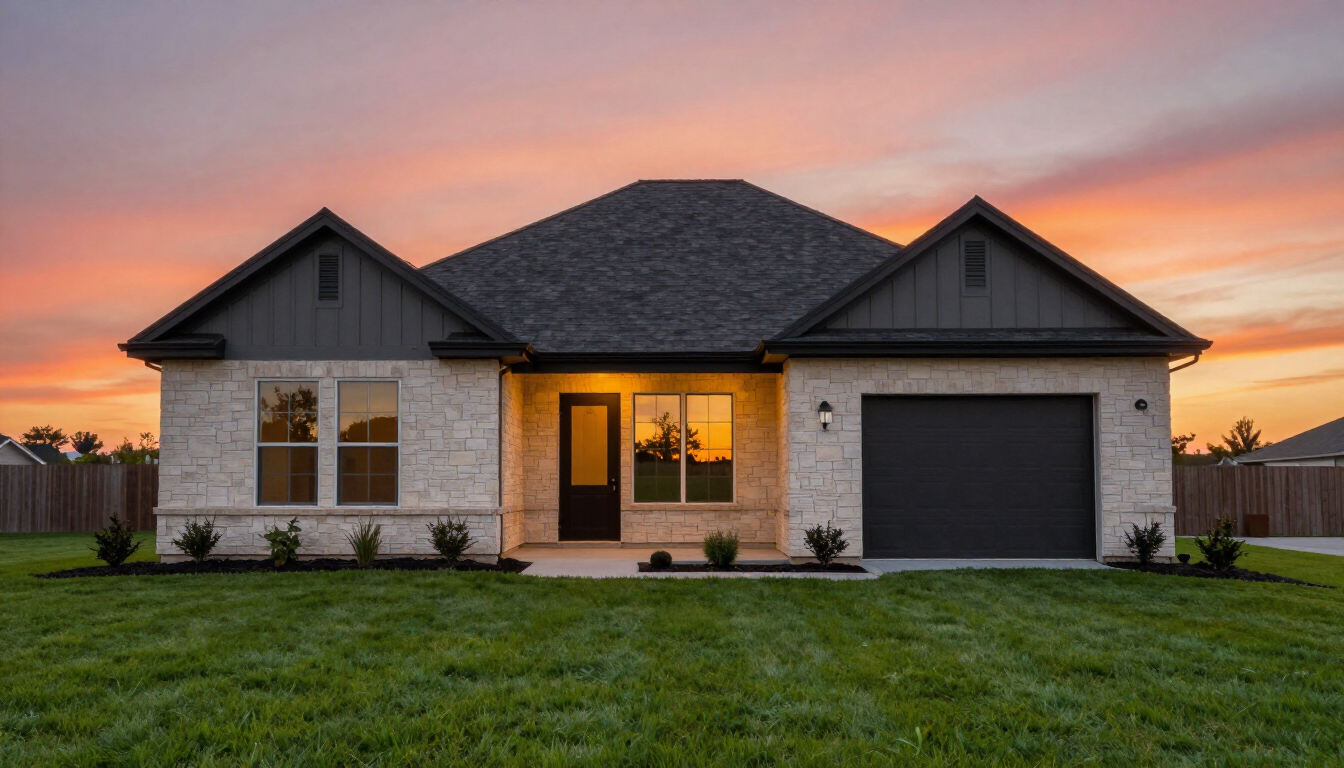
Modern Edmond home under a dramatic Oklahoma sky
August 10, 2026
Learn what homeowners insurance covers in Oklahoma, focusing on storm, wind, and hail damage. Understand dwelling, personal property, and flood exclusions.
Show More