
In 2026, Oklahoma drivers typically pay between $65 and $90 per month for minimum liability coverage, while full coverage costs range from $185 to $240 monthly. These rates fluctuate based on your driving record, vehicle type, and specific zip code within the Sooner State.
Why is Oklahoma car insurance more expensive than the national average?
If you have ever opened your insurance renewal and wondered if you were accidentally subsidizing a small island nation, you are not alone. Oklahoma consistently ranks as one of the most expensive states for auto insurance . This is not just a cruel joke played by the universe, it is actually the result of several local factors that make our roads a bit more expensive to navigate. From the unpredictable sky to the predictable habits of our neighbors, Oklahoma presents a unique set of challenges for insurance carriers.
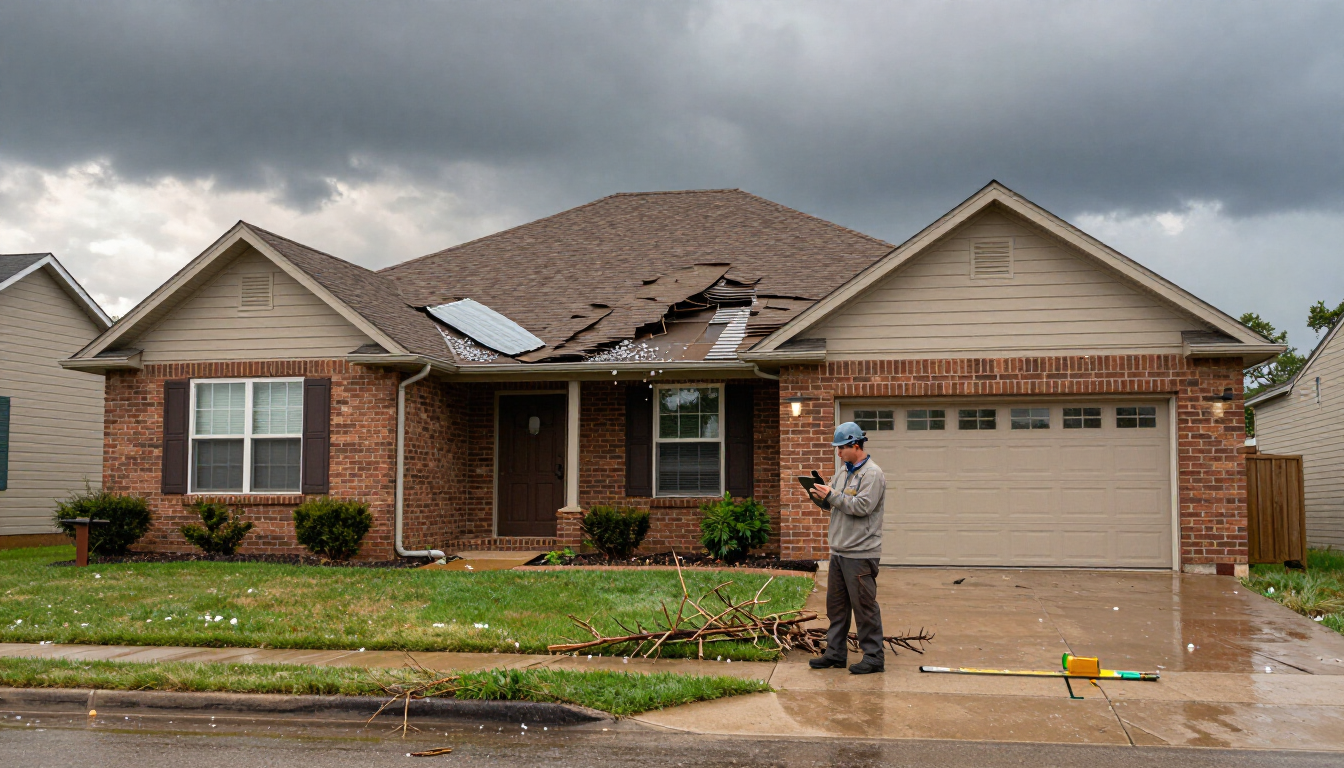
First on the list of culprits is our legendary weather. While other states worry about a light drizzle, Oklahomans are checking the radar for baseball sized hail and rotating clouds. Tornadoes and severe storms cause millions of dollars in comprehensive claims every year. When the sky decides to remodel your car with ice chunks, the insurance companies have to foot the bill, which keeps premiums higher for everyone.
Another significant factor is the high rate of uninsured motorists. Despite our best efforts to be friendly neighbors, a surprising number of drivers in Oklahoma hit the road without any coverage at all. When an uninsured driver causes an accident, the costs often fall back on the insured population or their own carriers. This necessitates higher rates to cover the risks associated with these "ghost" drivers who haunt our highways.
Oklahoma is also an at-fault state. This means that after a collision, the person determined to be responsible for the accident is also responsible for the damages. This legal structure often leads to more frequent litigation and higher settlement costs compared to no-fault states. Furthermore, our vast geography means Oklahomans tend to drive more miles than the average American. More time on the road statistically leads to a higher probability of accidents, and the insurance companies know exactly how many miles you are clocking between Edmond and Oklahoma City.
Key factors that influence your premium
While the state average gives us a baseline, your personal rate is as unique as your thumbprint, or at least as unique as your driving record. Insurance companies use complex algorithms to determine how much of a risk you pose. Understanding these factors can help you make sense of why your neighbor might be paying fifty dollars less than you for the exact same auto insurance quote .
- Your Driving Record : Speeding tickets and accidents are the fastest way to see your rates skyrocket.
- Credit Score : In Oklahoma, insurance companies can use your credit history to help predict your risk level.
- Age and Experience : Younger drivers typically face much higher premiums due to a lack of time behind the wheel.
- Vehicle Type : A luxury SUV costs more to repair or replace than a sensible sedan, leading to higher costs.
- Location : Driving in high traffic areas like Edmond or Tulsa usually costs more than driving in rural counties.
How does coverage level impact your monthly rate?
Choosing between minimum liability and full coverage is like choosing between a snack and a five course meal. Both serve a purpose, but one leaves you much better protected when things get messy. In Oklahoma, the minimum requirements are designed to keep you legal, but they often leave you financially vulnerable if a serious accident occurs.
Minimum coverage usually includes liability for bodily injury and property damage. This protects other people from you, but it does absolutely nothing for your own car. If you are at fault in a wreck, your car is your problem. Full coverage, on the other hand, typically includes collision and comprehensive insurance. This covers your vehicle regardless of who is at fault, and it protects you against those pesky Oklahoma hailstorms we mentioned earlier. The leap from $75 a month to $200 a month can be jarring, but the peace of mind knowing you will not have to buy a new car out of pocket is often worth the extra steak dinner per month you might have to sacrifice.
If you are currently paying off a loan or leasing your vehicle, your lender will likely require full coverage. They want to protect their investment just as much as you do. For those with older vehicles that are paid off, the decision becomes a bit more nuanced. You have to weigh the cost of the premium against the actual cash value of the car. If your car is worth less than a high end espresso machine, minimum coverage might be the logical path.
Simple strategies to lower your insurance costs
You do not have to just accept high rates as a fact of life. There are several ways to fight back and keep more of your hard earned money. One of the most effective methods is bundling. By combining your car insurance with home insurance or renters insurance , you can often snag a significant discount across all policies. Insurance companies love loyalty, and they are willing to pay for it.
- Increase Your Deductible : Choosing a higher out of pocket cost for claims can lower your monthly premium.
- Maintain Good Credit : Improving your credit score can lead to lower insurance tiers over time.
- Ask About Discounts : Check for good student, military, or defensive driving course discounts.
- Drive Less : If you work from home, you might qualify for a low mileage discount.
- Shop Around Regularly : Rates change, and a new quote from a different carrier might surprise you.
What are the state requirements for Oklahoma drivers?
To keep your license in the Sooner State, you must meet the 25/50/25 rule. This translates to $25,000 for bodily injury per person, $50,000 for bodily injury per accident, and $25,000 for property damage. While this is the legal basement, we usually recommend higher limits. Medical bills in 2026 can easily surpass $25,000 in a heartbeat, leaving you on the hook for the remainder of the costs. Being underinsured is a gamble that rarely pays off in the long run.
FAQ: Quick answers about Oklahoma auto insurance
Is car insurance more expensive in Edmond than other OK cities? Edmond rates are often slightly higher than rural areas due to traffic density and higher vehicle values, but they remain competitive compared to downtown Oklahoma City or Tulsa hubs.
Does Oklahoma require uninsured motorist coverage? No, it is not required by law, but it is highly recommended. Given the high number of uninsured drivers in the state, this coverage protects you if they cause an accident.
Will a single speeding ticket ruin my insurance rate? One minor ticket might cause a small increase, but multiple violations or excessive speeds will definitely lead to a significant spike in your monthly premiums for several years.
How can I get the cheapest full coverage in Oklahoma? The best way is to compare quotes from multiple carriers and maximize your discounts. Bundling your auto and home policies is usually the most effective strategy.
Does my credit score really affect my car insurance? Yes, in Oklahoma, carriers use credit based insurance scores to assess risk. A higher score typically translates to lower monthly premiums because it correlates with responsible behavior.
Summary of Oklahoma Car Insurance Costs
Navigating the world of Oklahoma car insurance in 2026 requires a mix of local knowledge and smart shopping. While our state faces unique challenges like extreme weather and uninsured drivers, you still have control over your individual costs. By understanding the difference between minimum and full coverage, maintaining a clean driving record, and taking advantage of available discounts, you can find a policy that fits your budget without leaving you exposed. If you are ready to see how much you could save, feel free to contact us or check out our about page to learn how we help Edmond drivers every day.
- Expect to pay $65 to $240 monthly depending on coverage.
- Weather and uninsured drivers drive up state averages.
- Personal factors like credit and driving history are crucial.
- Bundling policies remains the best way to save money.
- Always carry more than the state minimum if possible.