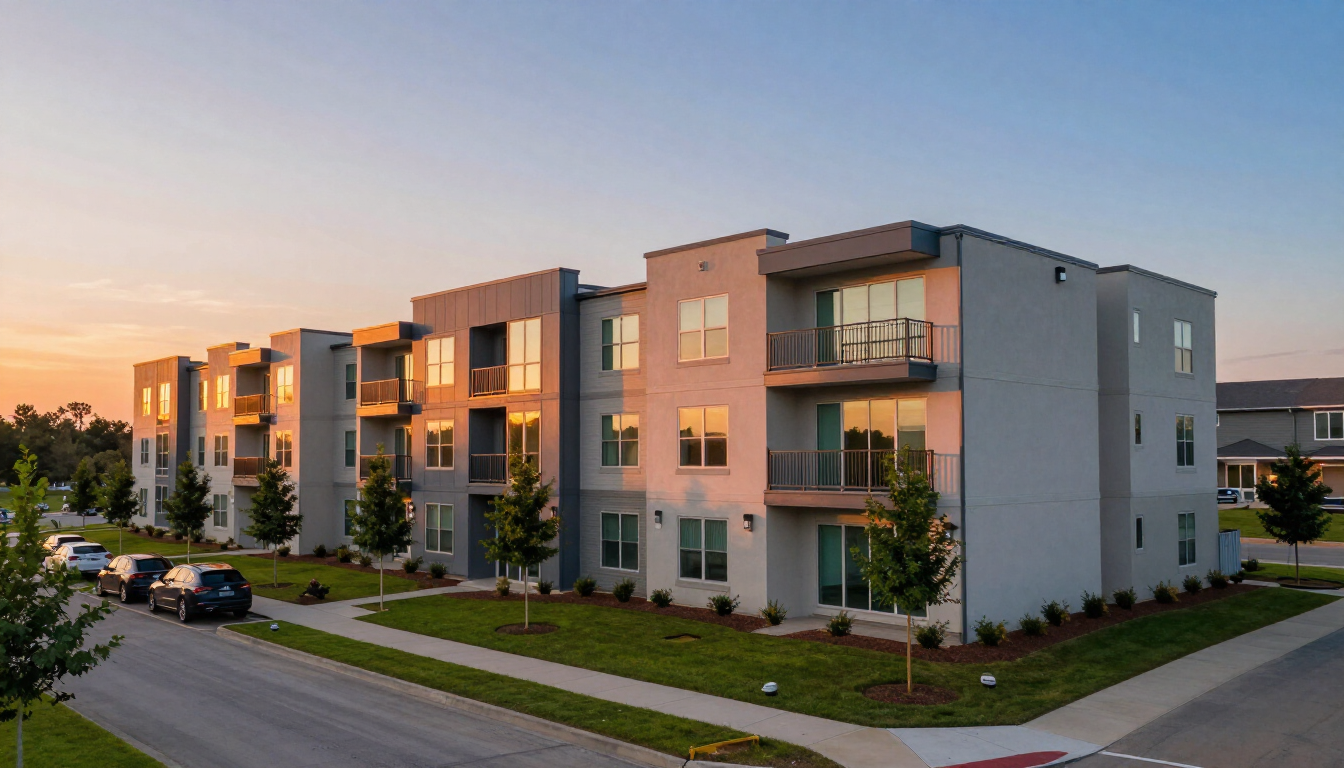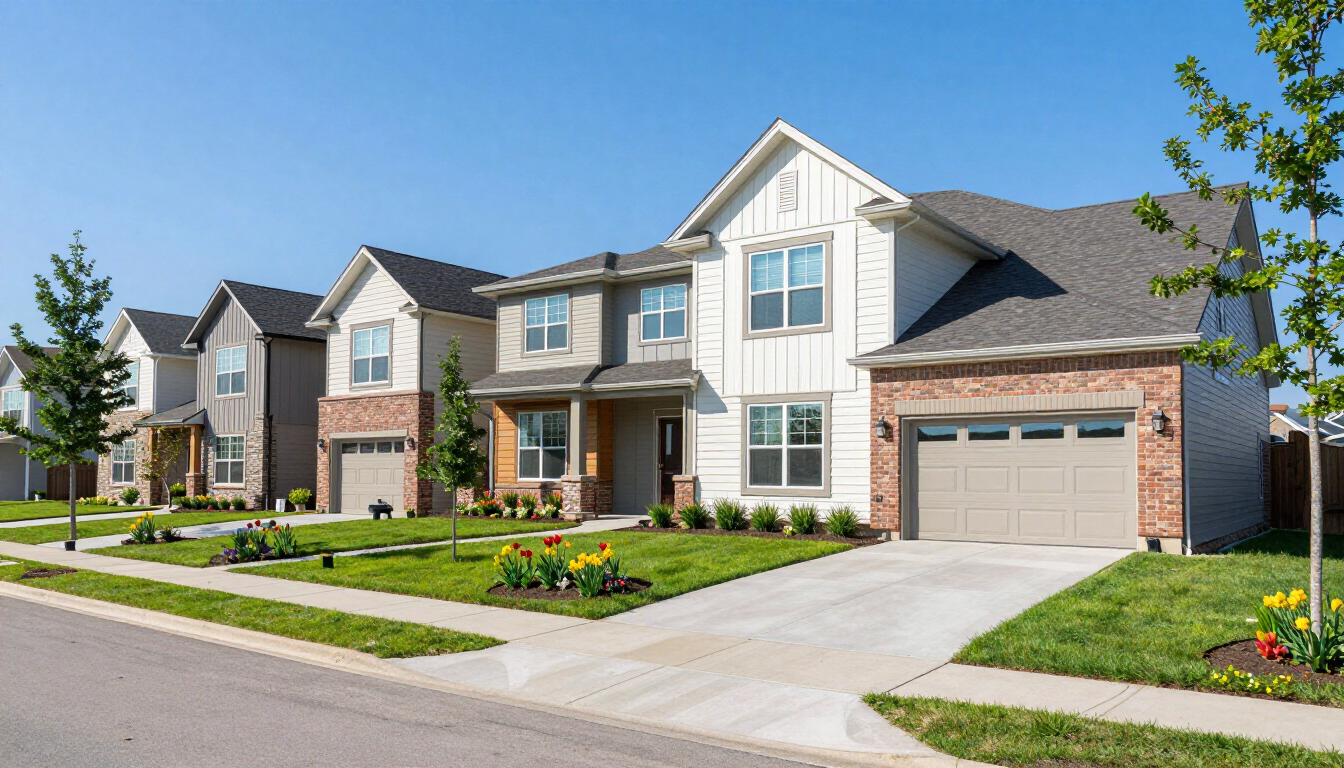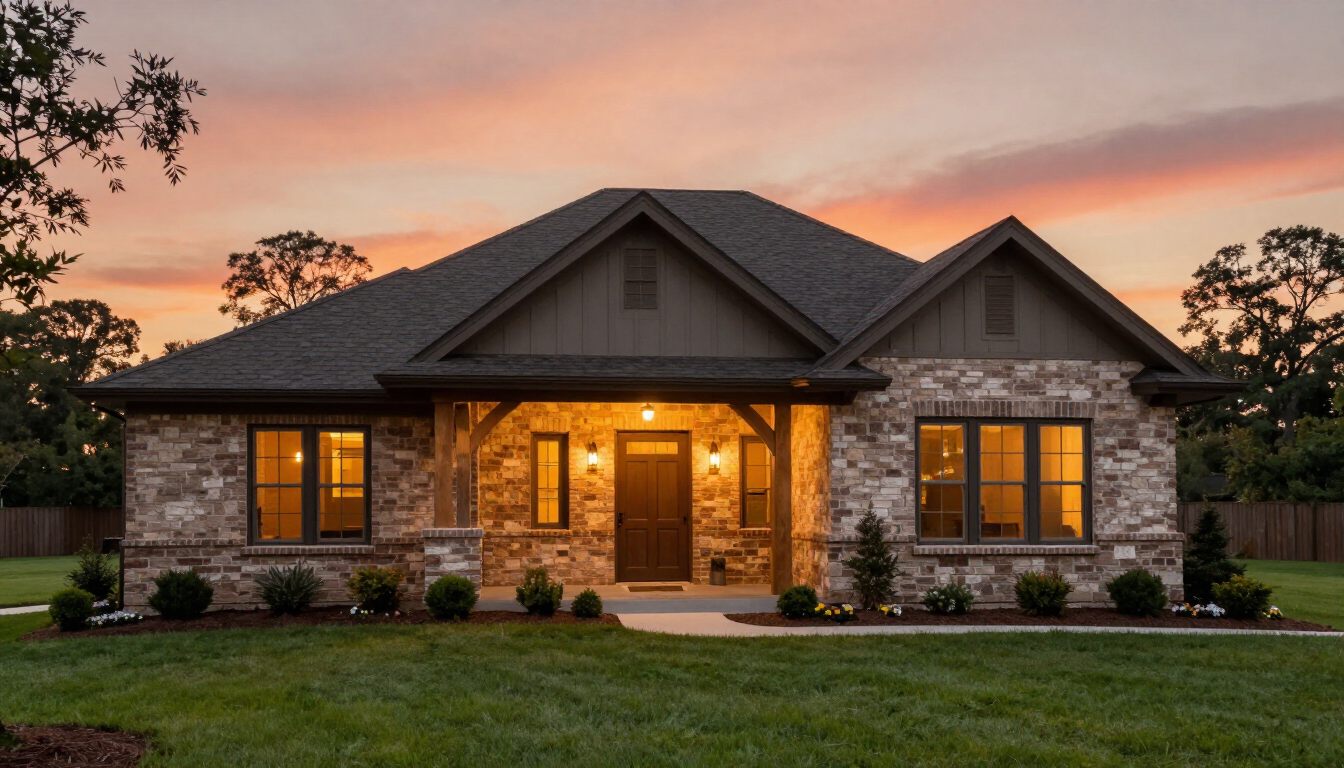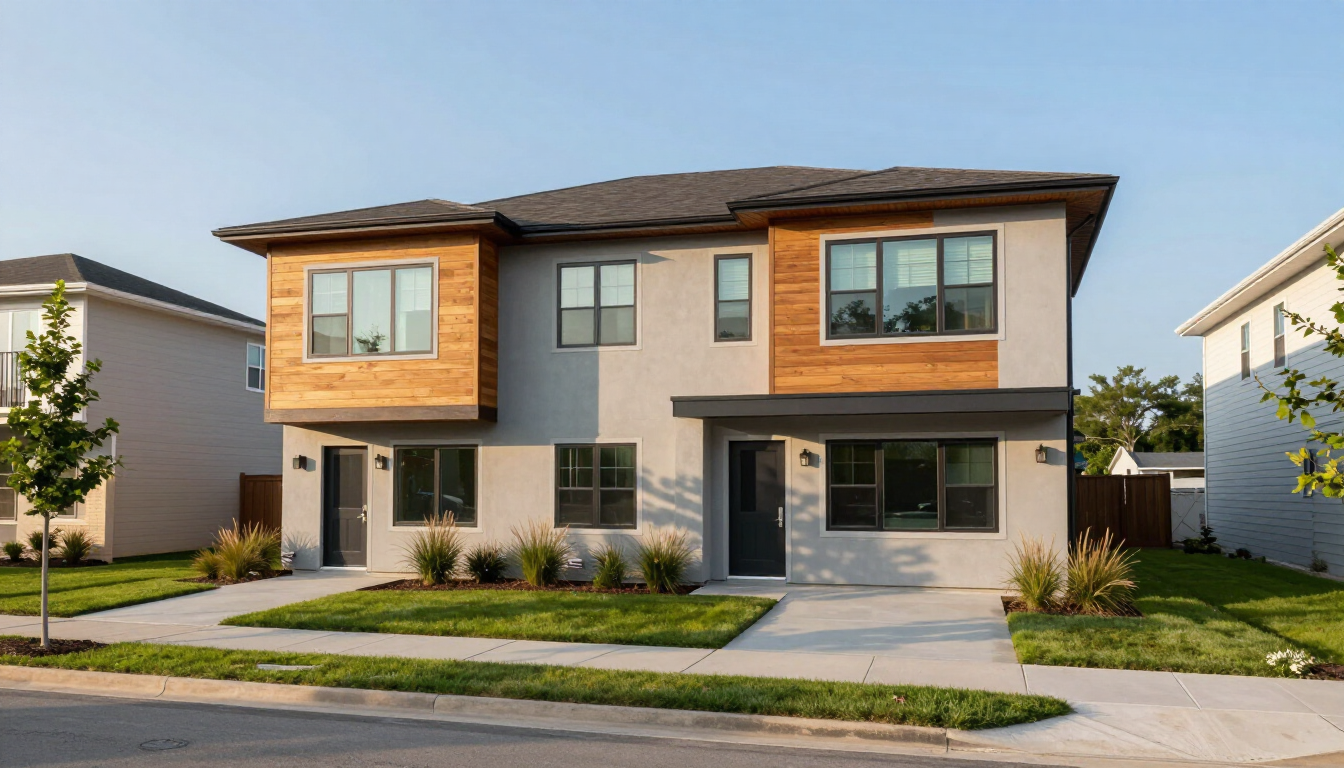


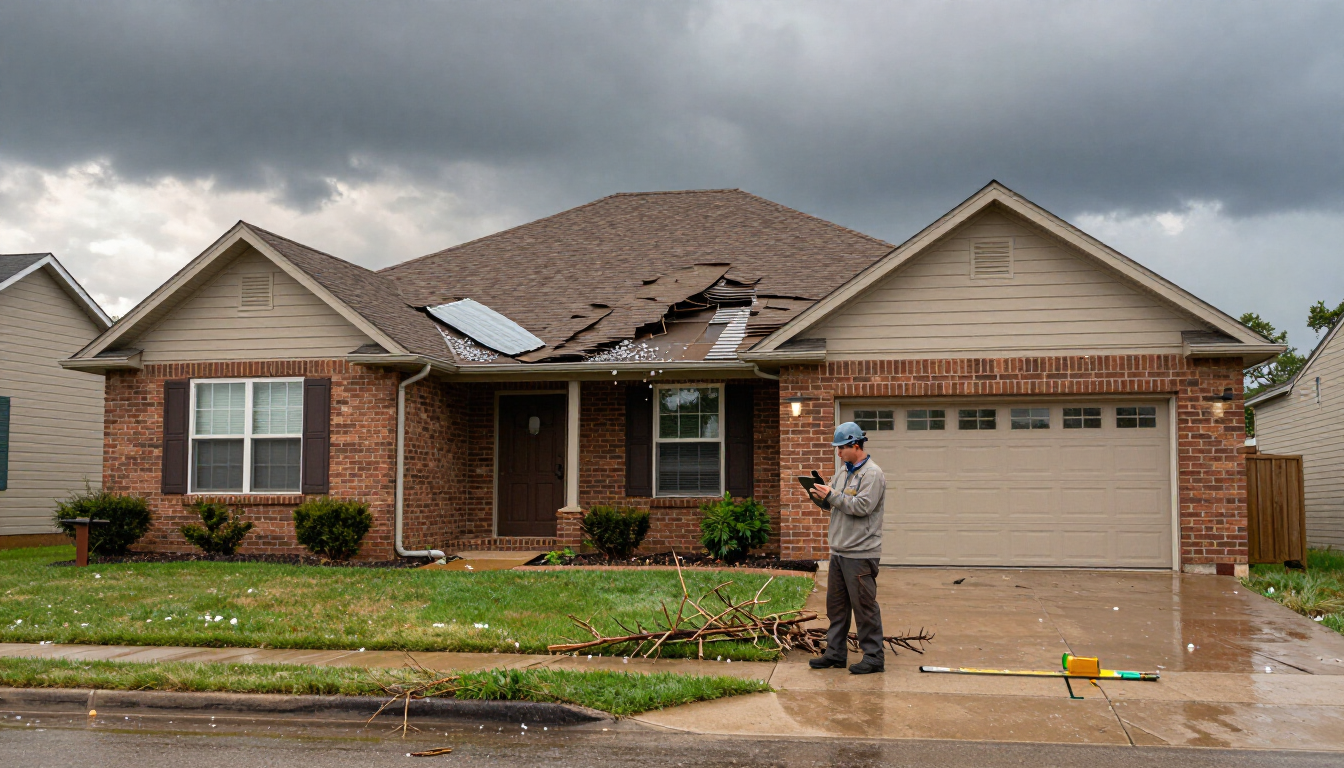
Landlord insurance in Oklahoma protects rental property owners from financial losses due to property damage, liability, and loss of rental income. Unlike homeowners insurance, it covers non-owner-occupied dwellings, providing essential protection against weather events, tenant injuries, and legal disputes specific to the Oklahoma City metro rental market.
What does landlord insurance in Oklahoma cover?
If you own a rental property in Edmond or the surrounding Oklahoma City area, you aren't just a homeowner—you’re a business owner. And like any business, you have assets that need protecting. Landlord insurance in Oklahoma (often referred to as a Dwelling Fire policy) is designed to handle the unique risks that come with having someone else live in your investment.
Standard policies generally cover three primary areas:
- Dwelling Coverage: This protects the physical structure of the home, including the roof, walls, and foundation. In Oklahoma, where the wind comes sweeping down the plain—sometimes at 100 miles per hour—this is your primary defense against Mother Nature’s mood swings.
- Liability Protection: If a tenant or their guest slips on a patch of ice or trips over a loose floorboard and decides to sue, this coverage helps pay for your legal fees and any settlements. In a litigious world, this is the shield you hope you never have to use.
- Loss of Rental Income: If a covered peril (like a fire or a severe storm) makes your rental uninhabitable, your tenant stops paying rent. This coverage replaces that lost income while the home is being repaired, ensuring your mortgage company still gets their check even if your tenant is staying at a hotel.
- Other Structures: This covers unattached buildings like detached garages, sheds, or fences. If your tenant decides to back their truck into the fence, or a tornado decides the shed belongs in the next county, you’re covered.
- Personal Property (Landlord-Owned): While you aren't covering the tenant’s clothes or electronics, you do need to cover the appliances you provided, such as the refrigerator, stove, or the lawnmower you keep on-site for maintenance.
Understanding the Three Core Coverage Pillars
When we talk about landlord insurance , we aren't just talking about a single line of defense. It’s a multi-layered approach to risk management. As an independent agency working with over 50 carriers, we see a lot of variation in how these pillars are built.
First, there is the structure itself. In Oklahoma, "dwelling" coverage is a hot topic. We aren't just worried about fire; we are worried about hail the size of softballs. When you choose a policy, you need to know if it is an "Actual Cash Value" (ACV) policy or a "Replacement Cost" policy. ACV takes depreciation into account, which might leave you short-handed when you need a new roof. Replacement cost is the gold standard for landlords who want to avoid out-of-pocket surprises.
Second, the liability portion is often underestimated. Many landlords in the OKC metro assume their umbrella policy or their personal homeowners policy will cover them. Spoiler alert: it won't. If you are generating income from a property, it is a business activity. Without a dedicated landlord policy, you could be left footing the bill for a six-figure medical claim or a long-winded legal battle.
Finally, the loss of rent coverage is the "peace of mind" element. Most landlords in Edmond rely on that monthly rent to cover the mortgage and property taxes. If a fire breaks out, the repairs could take six months. Could you afford to pay that mortgage for half a year without a dime of rental income? Most can't. This coverage is the bridge that keeps your finances stable while the contractors do their thing.
How does landlord insurance differ from homeowners insurance?
This is the question we get most often at our Edmond office. The short answer is: occupancy. A standard home insurance policy is written with the assumption that the owner lives in the home. Why does that matter? Because homeowners take better care of their own property than tenants do. (Sorry, tenants, but it’s a statistical fact.)
When you move out of your primary residence and turn it into a rental, your risk profile changes instantly.
- Liability Risks: A homeowners policy covers your personal liability. A landlord policy covers your liability as a property owner. The types of lawsuits you face as a landlord (wrongful eviction, invasion of privacy, or failure to maintain premises) are completely different from what you'd face as a private resident.
- Personal Property: In a home you live in, your policy covers everything from your socks to your 80-inch TV. In a rental, you don't care about the tenant’s socks. You only care about the building and the appliances. Landlord insurance reflects this by excluding the tenant’s belongings, which lowers the premium in some areas but increases it in others due to the higher liability risk.
- The "Business" Factor: Insurance companies view rental properties as business ventures. Because there is a profit motive, there is a different set of rules. Using a standard homeowners policy for a rental is a recipe for a denied claim. If the insurance company finds out you’ve been renting the place out on the sly, they can (and will) walk away from the claim, leaving you holding a very expensive, very broken bag.
Why do I need landlord insurance if my tenant has renters insurance?
It’s a common misconception that if a tenant has renters insurance , the landlord is fully protected. While we always recommend (and often require) that tenants carry their own coverage, it is not a substitute for your own Oklahoma landlord insurance.
Think of it this way: renters insurance is for the stuff inside the house and the tenant’s personal mistakes. If the tenant’s dog bites a delivery person, their renters insurance steps in. If the tenant leaves a candle burning and starts a kitchen fire, their insurance might cover the damage to their couch. But renters insurance is almost never enough to rebuild your entire house or cover your loss of rental income.
Furthermore, you cannot control whether a tenant keeps their policy active. They could pay for one month to show you the proof of insurance and then stop paying the next day. If the house burns down two months later, you’d be left with no coverage at all if you relied solely on them. Your landlord policy is the only thing you have total control over.
Comparing the Three Types of Property Insurance
To keep things simple, let's look at the hierarchy of property protection:
- Homeowners (HO-3): For the home you live in. Covers your house, your stuff, and your life.
- Landlord (DP-3): For the home you rent out. Covers your house, your liability, and your rental income.
- Renters (HO-4): For the person living in your house. Covers their stuff and their personal liability.
As a property owner, you need the DP-3. Don't let anyone convince you that an HO-3 is "close enough." In the world of insurance, "close enough" is just another way of saying "not covered."
What are the unique risks for landlords in the Oklahoma City metro?
Operating as a landlord in Oklahoma is not for the faint of heart. We live in a state where the weather is a competitive sport. When you are looking for landlord insurance in Oklahoma, you have to consider the "Big Three" risks that are specific to our region.
1. The Wind and Hail Gauntlet Oklahoma is the hail capital of the world (or at least it feels like it). For a landlord, a single hailstorm can result in a $20,000 roof replacement. Many national carriers have high deductibles for wind and hail in Oklahoma—sometimes as high as 2% to 5% of the dwelling value. If your rental is worth $300,000, a 5% deductible means you’re paying $15,000 out of pocket before the insurance kicks in. As an independent agency, we help landlords find carriers with flat deductibles or lower percentages to protect their cash flow.
2. The Ground is Moving (Sort Of) While we don't have California-style earthquakes every day, the OKC metro has seen its fair share of seismic activity over the last decade. Most standard landlord policies explicitly exclude earthquake damage. If a tremor cracks your rental’s foundation, you’re on your own unless you’ve added an earthquake insurance endorsement. It’s an affordable add-on that can save your investment from a literal collapse.
3. The Liability of Maintenance Oklahoma laws regarding landlord-tenant relationships are specific. If a tenant claims that a lack of maintenance led to an injury (like a broken stair or a faulty electrical outlet), the legal costs in Oklahoma County or Cleveland County can escalate quickly. Having a policy that specifically includes high-limit liability and legal defense costs is non-negotiable for serious property owners.
Essential Steps for Oklahoma Property Owners
Being a landlord is about more than just collecting checks; it's about managing risk so those checks keep coming. Here is a quick checklist for every Oklahoma landlord:
- Conduct Annual Insurance Reviews: Don't just let your policy renew blindly. Property values in Edmond and Deer Creek have skyrocketed recently. If your coverage limits haven't moved, you might be underinsured.
- Require Renters Insurance: Make it a clause in your lease. It reduces your own liability and ensures that if the tenant causes damage, their policy pays first.
- Verify Your Carrier's Reputation: Not all insurance companies are created equal. Some are great at taking premiums but move like molasses when it comes to paying hail claims. Check out our list of insurance carriers to see who we trust.
- Get a Specific Landlord Quote: Don't guess. Use our landlords insurance quote tool to get a real-world look at what it costs to protect your specific property.
How can an independent agency help you find better rates?
If you go to a "captive" agent—someone who only sells one brand of insurance—you get one price. If that price is high, their only advice is usually "well, maybe raise your deductible?"
At our agency in Edmond, we do things differently. We are independent, which means we work for you, not the insurance company. We have access to over 50 different carriers. When we look for landlord insurance in Oklahoma for you, we are essentially shopping the entire market at once.
We know which companies have a "hail-friendly" deductible and which ones offer the best credits for new roofs or security systems. We understand the nuances of the Oklahoma City metro market because we live here. We know the difference between a rental in Yukon and one in Choctaw, and we know which carriers prefer one over the other.
Whether you have a single-family home in Piedmont or a duplex in El Reno, we have the experience to find the right fit. We’ve seen the weird claims, the massive storms, and the legal headaches, and we use that knowledge to make sure you don't have to see them yourself.
Final Takeaway: Securing Your Rental Investment
Landlord insurance in Oklahoma is the most important tool in your property management kit. It provides the financial backbone you need to survive structure fires, liability lawsuits, and the inevitable Oklahoma hailstorms. By choosing a policy that covers your dwelling, protects your liability, and replaces your rental income, you ensure that your investment remains a source of wealth rather than a source of stress.
Key Takeaways:
- Landlord insurance is a business policy, not a personal one.
- It covers things that renters insurance does not, like the structure and your income.
- Oklahoma's unique weather requires specific coverage attention (especially wind/hail deductibles).
- Independent agencies offer more choices by comparing 50+ carriers.
Ready to ensure your investment is actually protected? Don't wait for the next storm cloud to appear over Edmond. Reach out for a policy review or get a free landlord insurance quote today. We’ll help you navigate the fine print so you can get back to what matters—growing your real estate portfolio.